Lip Blush Healing Stages in Australia
What to expect from your lip blush healing in Australia is simple to put down in stages: an initial period where lips are swollen and of an uncharacteristic brightness, followed by some peeling and fading before the colour has properly settled. You can anticipate 7 to 10 days for the surface to heal, with the ghosting stage making itself known between days 6 and 10; allow 4 to 6 weeks for the pigment to do its work.
I am Robert Crowe and I have put together this guide to the day by day process of lip blush healing, covering the symptoms you will see, colour changes, what requires a professional’s eye and some sound aftercare advice for Australia. I prefer to write in plain terms as there is no point in putting on airs that the first few days of a beauty treatment are anything but what they are. It is not unusual for your lips to look as though they have been at odds with a beetroot. If you are in severe pain or your condition is deteriorating, that is another matter entirely.
Healing Stages At A Glance
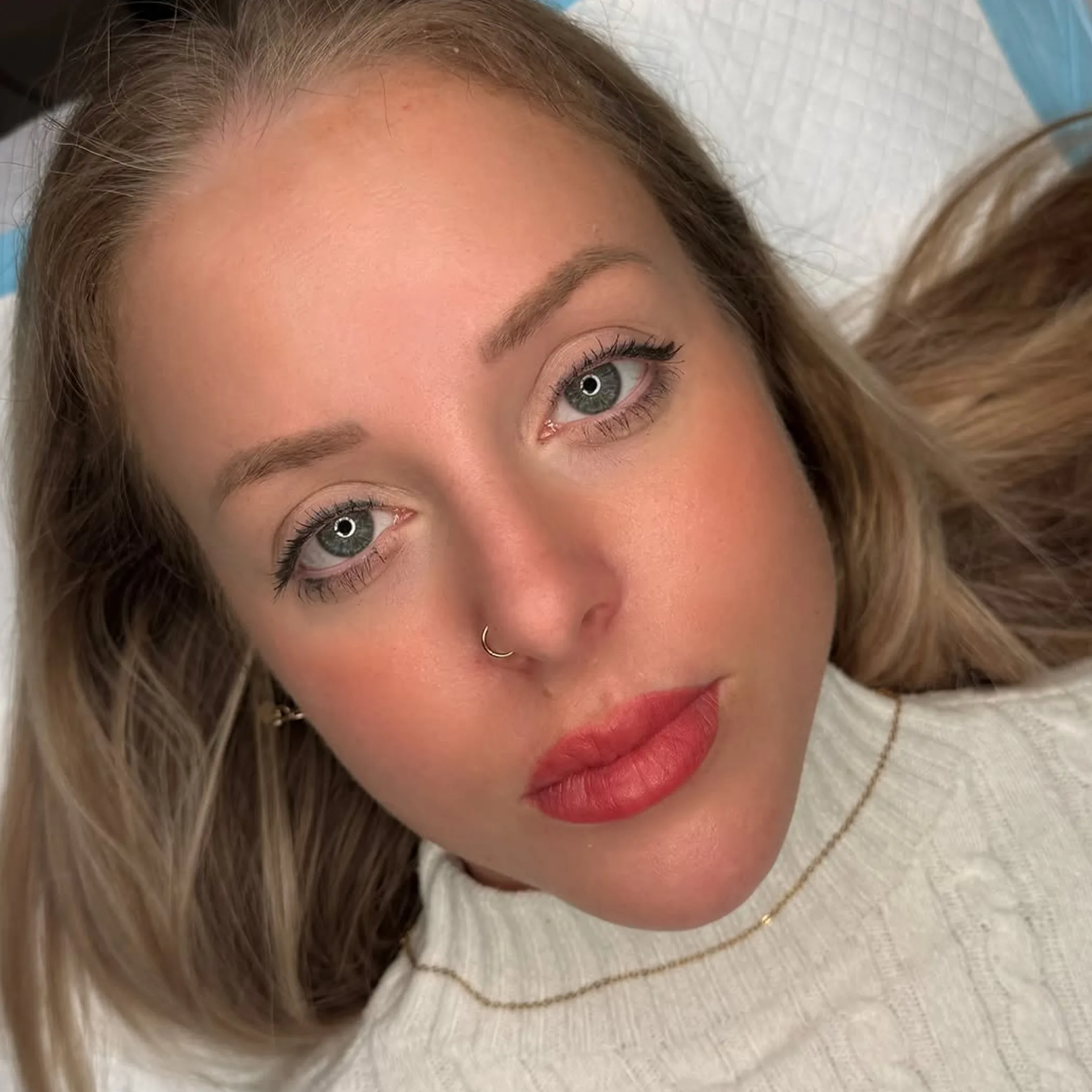
It is well worth being aware of the general run of things so a quick change in colour does not induce panic. As with any semi-permanent makeup or cosmetic tattoo, the skin must be given time to recover and the pigment to set.
The particulars will depend on the artist’s technique, your medical history, the type of skin and pigment and how you care for it afterwards. Put simply, a good lip blush artist will offer his own counsel and recovery instructions after treatment, particularly where cold sores, allergies or slow wound healing are in your past.
| Stage | Typical timing | What to expect | Priority |
|---|---|---|---|
| Immediate response | First 24 hours | Brightness, tenderness and swelling | Observe clinic instructions and keep clean |
| Early recovery | Days 2–5 | Some flaking, dryness or light scabbing | Resist the urge to pick at it |
| Ghosting | Days 6–10 | Colour may seem to have gone or is muted | Wait for the pigment to come back |
| Colour settling | Days 10–14 | A soft colour makes its return | Gentle care and sun protection |
| Final result | Weeks 4–6 | Natural and stable | See if you want a touch-up |
These figures are more of a practical range than a statistical certainty. The usual windows are 7 to 10 days for surface healing, 10 to 14 for the colour to come back and up to 6 weeks for the pigment.
Daily Lip Blush Healing Timeline
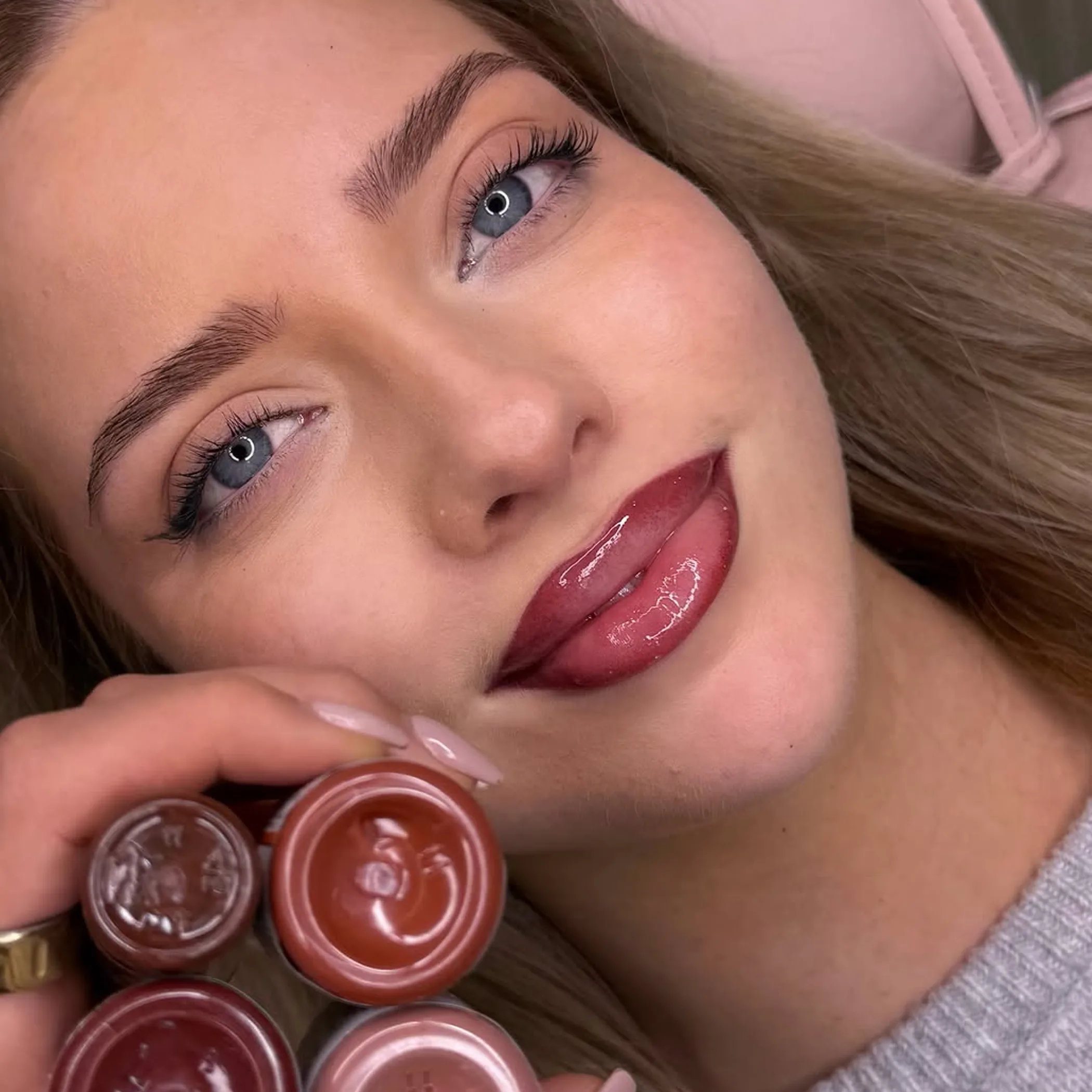
There is seldom a neat order to the way a lip blush heals. One person will peel early, another hardly at all and the ghosting stage is more pronounced for some. Consider the following a sensible point of reference and nothing more. In the end the written aftercare from your artist is what should be heeded since they are familiar with the needle and products they put to use on you.
Days One And Two
Swelling and a bright hue are to be had on the first day, along with some tenderness. You may find your lips more defined or larger than anticipated, the unevenness of the colour being due to the swelling. There might be a warm or tight feeling, or a dryness when you are talking or smiling. Do not make up your mind the outcome is too dark; it is akin to passing judgement on a cake while it is still in the oven.
By the second day the swelling is usually on the wane, though some are left puffy for a while. Intensity in the colour will persist. Any tenderness should be something you can live with and not get worse, even if you spot a bit of dryness at the lip line.
Days Three To Five
You will likely see more peeling and scabbing now as the top layer of skin sheds. The colour can appear patchy or pale from the small flakes. Leave the skin to detach of its own accord, no matter how much a lone flake seems determined to stay put. Scrubbing or pulling at it will only irritate the area and could compromise the evenness of the pigment.
Clients will tell you this is the unattractive part of the lip tattoo healing and the lips will be dry with what looks like a weak colour. Nothing to worry about, it is not a sign of a botched job.
Days Six To Ten
Fresh skin is over the treated area for a time as the deeper pigment settles, which is why the ghosting stage around days six to ten can leave the lips looking very pale or devoid of colour. Those who have put in a dark-to-light fade will find ghosting all the more perplexing; one moment the colour is there, the next it has disappeared to make its way back again. Do not be in a hurry to put in for an urgent correction on account of this.
When the lips are at ease and the skin is closing up with less of the initial irritation, you are better off being patient than putting on more products. Stick to the aftercare your artist has set out and do not go about trying new acids, scrubs or active skincare and balms in the vicinity of the lips.
Days 10-14
A softer rendition of the colour will often start to present itself on the lips over these days. While the surface is smoother, some dryness is to be expected and the overall effect can still be a bit muted. There may be a discrepancy from one side to the other as well; the right might seem to be healing ahead of the left due to peeling at different rates or just the way the lip moves and swells. Such minor unevenness at the two week mark is not indicative of what the final result will be.
Make sure the lips are not subjected to any superfluous irritation. The treatment can be going according to plan but a Melbourne wind or the heat in Perth and Sydney will only compound the feeling of dryness. So keep them away from strong sun, harsh products and the like.
Weeks Two To Six
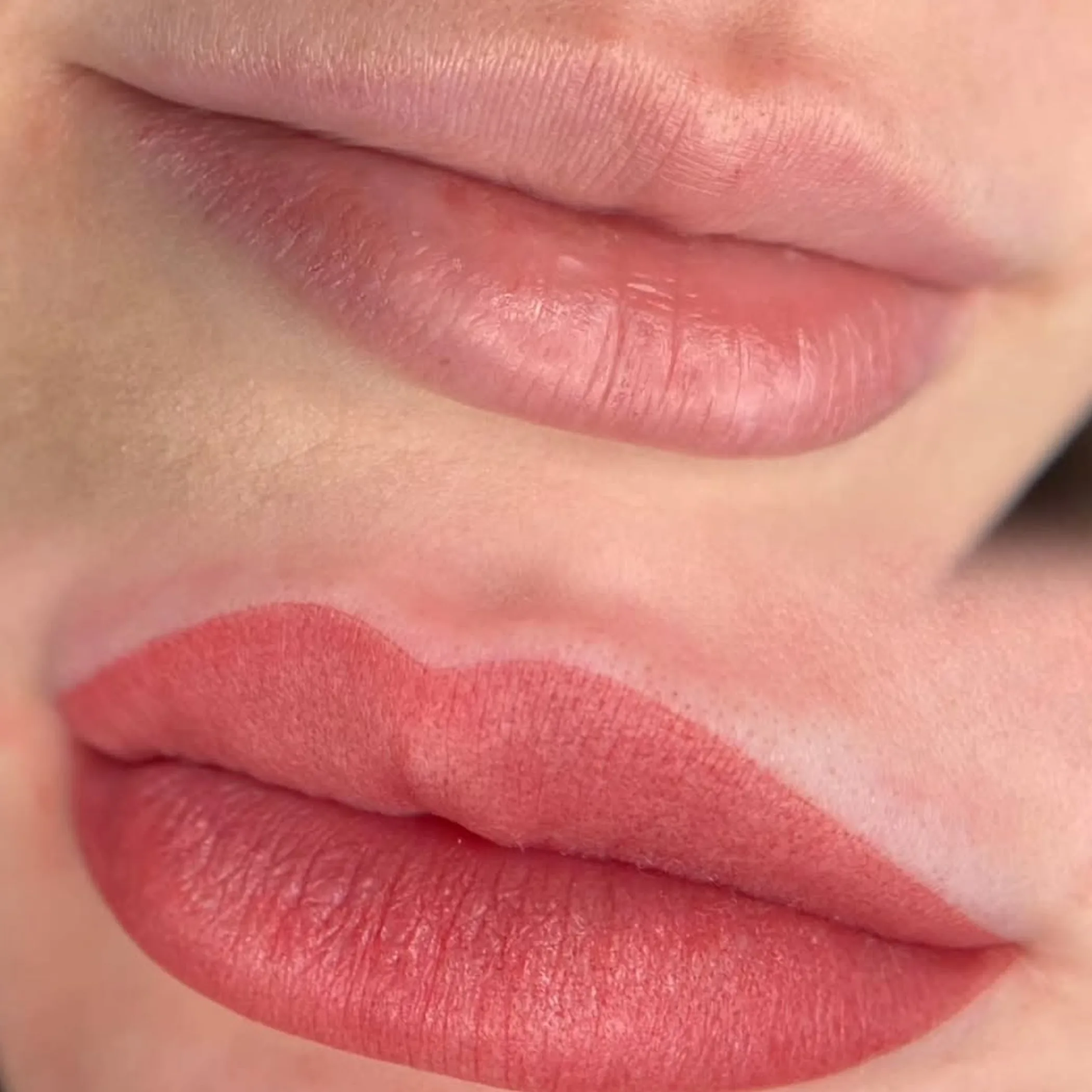
It is a slow process for the healed colour to come through. For the next few weeks the pigment will be settling under the surface and the lips could turn warmer, cooler, brighter or softer before they do. In most cases it is best to wait until four or six weeks are up to form an opinion on the outcome, barring any other direction from your artist. Should the client desire a little refinement or the colour has not been retained evenly, a touch-up can be put forward once the healing is done.
What to see on Dark Lips
The healing of a lip blush is not the same on a dark lip as it is on one that is pale by nature. Undertones of brown or cool, any prior cosmetic tattoo work or irregularities in natural colour will have their say on how the new pigment looks in recovery. It is not uncommon for dark lips to appear so in the immediate aftermath owing to the bright pigment and the oxidised colour phase, not to mention some inflammation. That is no guarantee the end result will be of the same darkness; the colour tends to mute as the skin mends before the true shade comes out.
An artist ought to be candid about what can be achieved rather than proffering the same shade to all. Correcting a dark lip is something that calls for some forethought and possibly more than an appointment or two.
Aftercare for the sake of results
Evenly settled pigment and a comfortable healing are aided by good aftercare. Follow the practitioner’s product instructions, leave the area alone and see it is clean. The following should be taken as general guidance on recovery post treatment and not in lieu of medical advice. If there is a variance with what the clinic has put in writing, get in touch with them for clarification.
- Hands should be washed before making contact with the lips and only the aftercare product as recommended put on. Refrain from any rubbing.
- Leave the scabs and peeling skin where they are and do not apply unapproved cosmetics or actives to the treated area.
- For the first couple of days drink in a way that does not irritate the lips if the movement is uncomfortable and keep food and drink at bay.
- Swimming, saunas and the spa are to be eschewed as is any direct sun until the practitioner says otherwise and the surface is healed.
- Likewise with sharing towels, utensils or lip products.
A propensity for herpes simplex means lip trauma can bring on an outbreak, so cold sore sufferers would do well to speak to their GP or treating professional about a preventive antiviral before hand. One need not self-prescribe on the word of some stranger on social media.
Getting home
If it is a first time in, put in place transport where there is no rush. A car or rideshare will see you home with your water and without the jostling of public transport. Drivers would be wise to pick a clinic with easy parking and not book a lengthy drive back.
Sydneysiders, Melburnians and those in Perth need to factor in the weather. The heat is apt to add to any discomfort and cold winds and indoor heating will put a tightness on the lips. And for anyone making the trip from regional Australia, do not put the appointment in with a day of errands; allow for an unhurried return.
Expectation Versus Reality
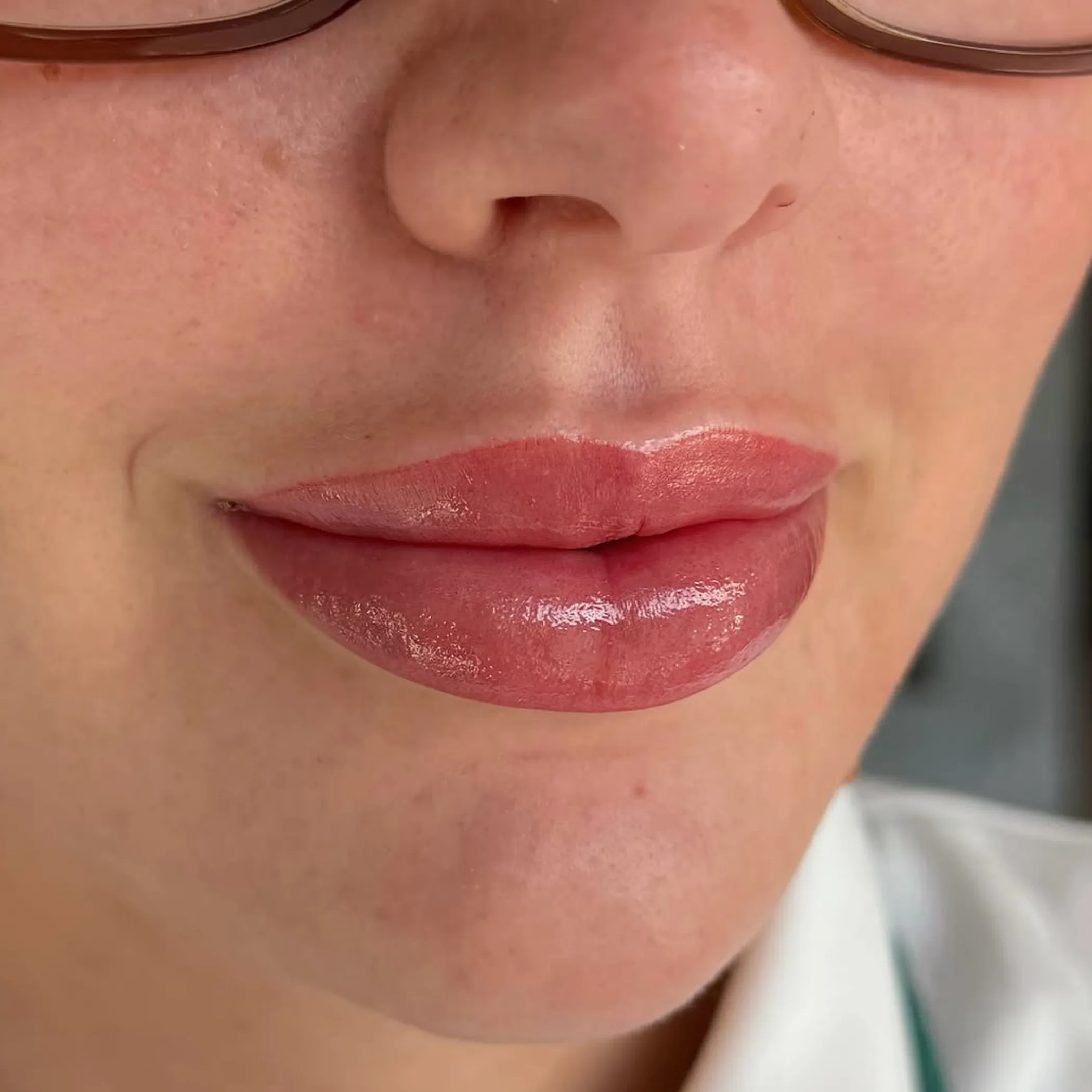
What one might expect is for the lips to be softly tinted right off the bat. In reality the initial colour will put on a more intense and brighter show than what you see once it has healed.
The notion that peeling is the pigment giving way is not borne out; it is simply the skin’s way of healing at the surface, and the colour on view can alter in the course of recovery.
It is tempting to think the final shade will be apparent in a week or so. The ghosting stage has a way of muting things for a time though, and the pigment will keep to its own schedule for weeks as it settles.
Healing is not something that follows a set timetable for all. With lip blush the time it takes is a matter of the individual’s health and skin response as much as the technique, aftercare and pigment employed.
When To Put In A Call For Professional Advice
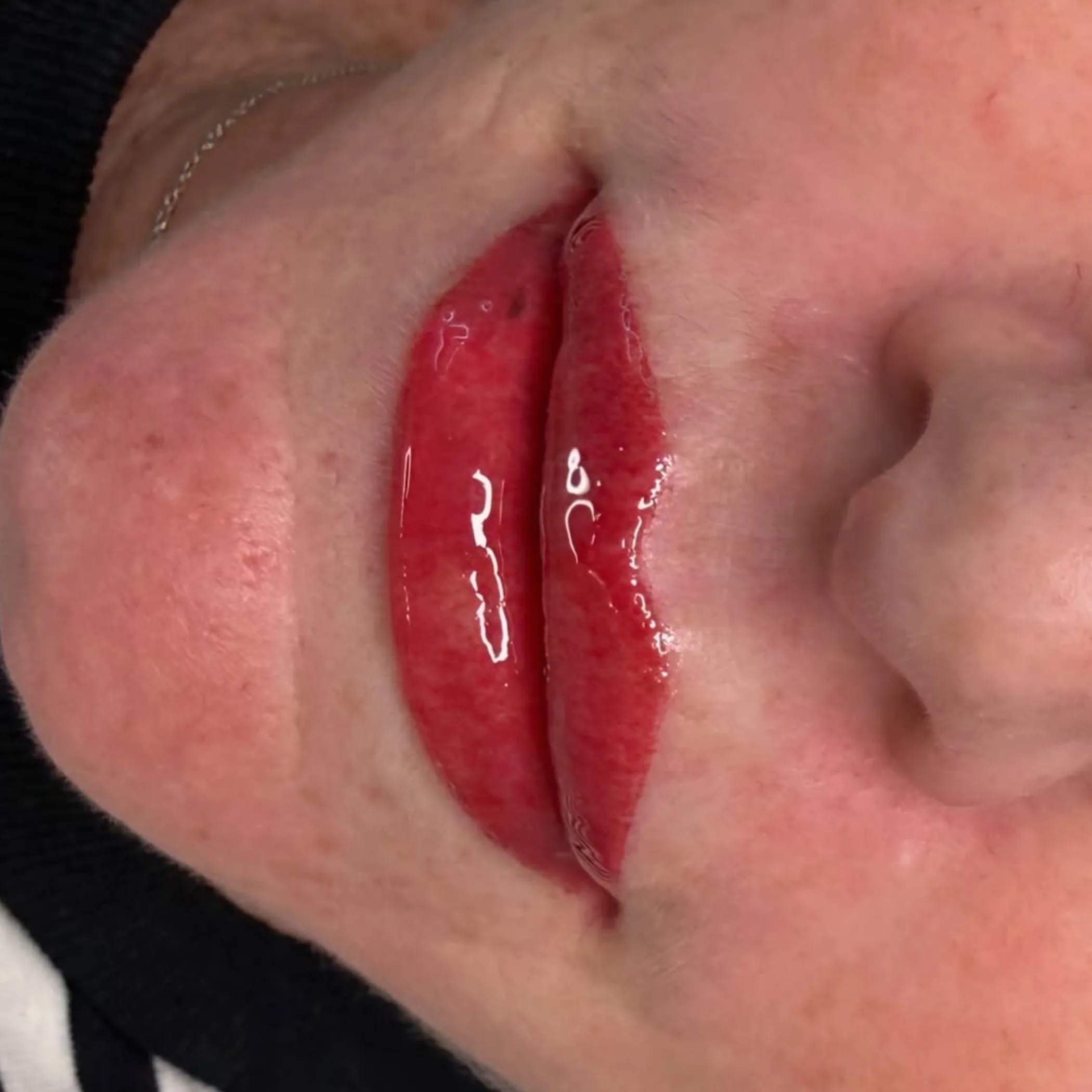
If there is any doubt as to whether your symptoms are running true to form, particularly with regard to swelling or a change in colour, get in touch with your lip blush artist. They will be in a position to say if what you are seeing is in keeping with their method and aftercare.
Should you have any pain of a severe nature, unrelenting or hot swelling, pus, a rash, spreading redness or feel generally unwell, then medical attention is called for. Any difficulty in breathing or facial swelling outside the treated zone are indications of a serious allergic reaction and must be dealt with urgently.
For an idea of what constitutes a skin infection requiring assessment, Healthdirect has some useful guidance. A healthcare professional is better placed to make judgements on symptoms than any online healing timeline.
Frequently Asked Questions on Healing
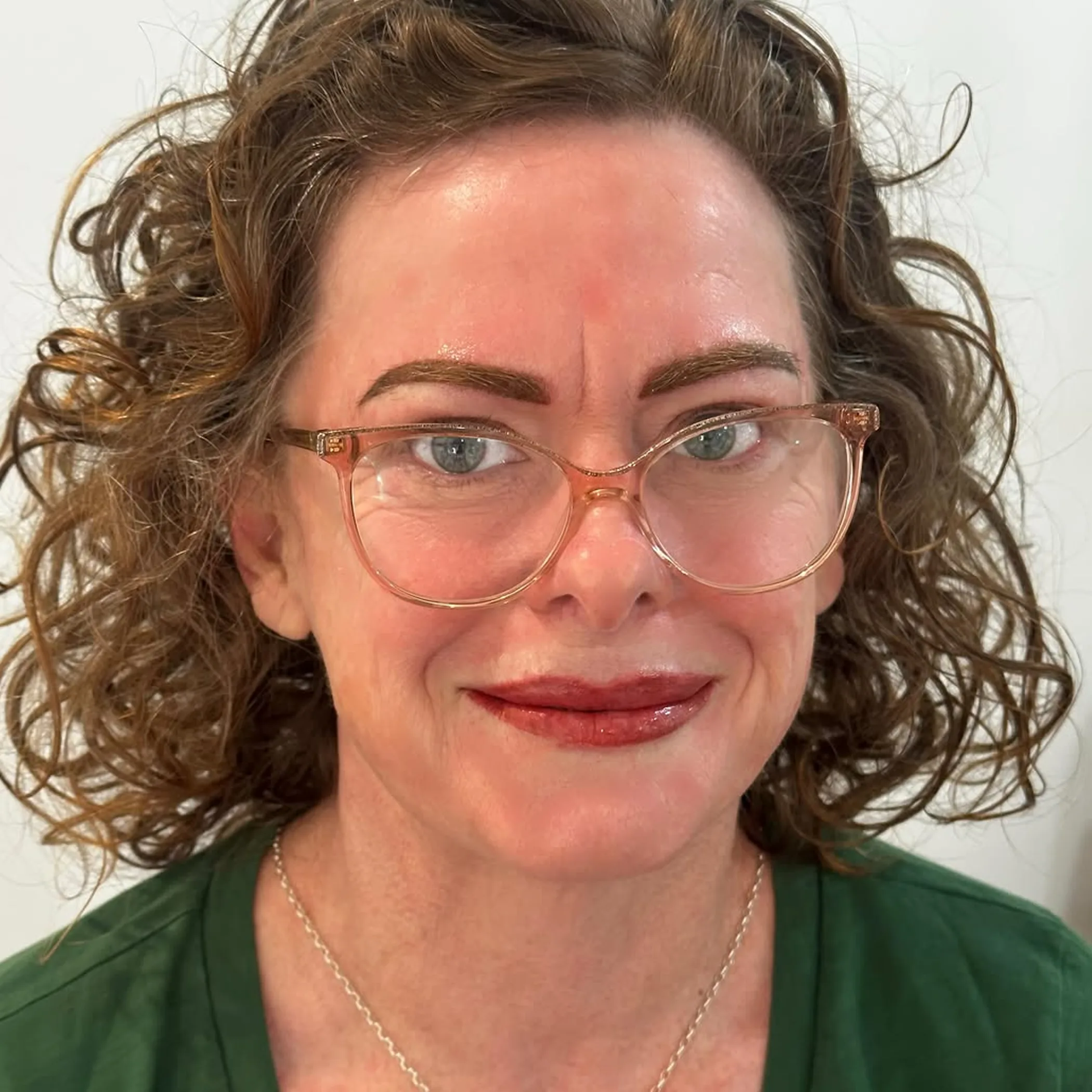
One finds these questions arise when the lips put on a change of pace. Patience is the short answer in most cases.
How Long Is the Process?
Allow 7 to 10 days for the surface to heal, but the colour may be settling for 4 to 6 weeks. It is not uncommon for the lips to present as healed before the real colour is evident, so it makes sense to wait until the full window has passed before deciding on a touch-up.
And After Five Years?
Unlike a conventional tattoo, lip blushing is not meant to be permanent. Depending on how the skin and pigment have been treated by the sun and lifestyle, and any prior touch-ups, the colour could be very faint, subtly different or still there. There is no guarantee it will fade evenly or go away altogether.
Show Me Some Pictures
There are plenty of pictures of the lip blush healing process to illustrate the sequence, but they do not make for a good prediction. Between the lighting, camera work, filters and any swelling, two sets of lips can look nothing alike. Take them as examples only.
Why Is There Still So Much Dark?
Fresh pigment will be bright, and then there is inflammation, the oxidised stage or the natural depth of the lip. But if it is turning darker and painful or the redness is spreading, do not put it down to normalcy; speak to your artist or a doctor.
Is Peeling a Given?
Not necessarily. You may have some scabbing or obvious peeling, or perhaps just dryness. Do not mistake a lack of peeling for incomplete healing and do not foster heavy scabbing. Let your practitioner’s aftercare instructions be your guide and leave the area alone.
A Word to the Wise
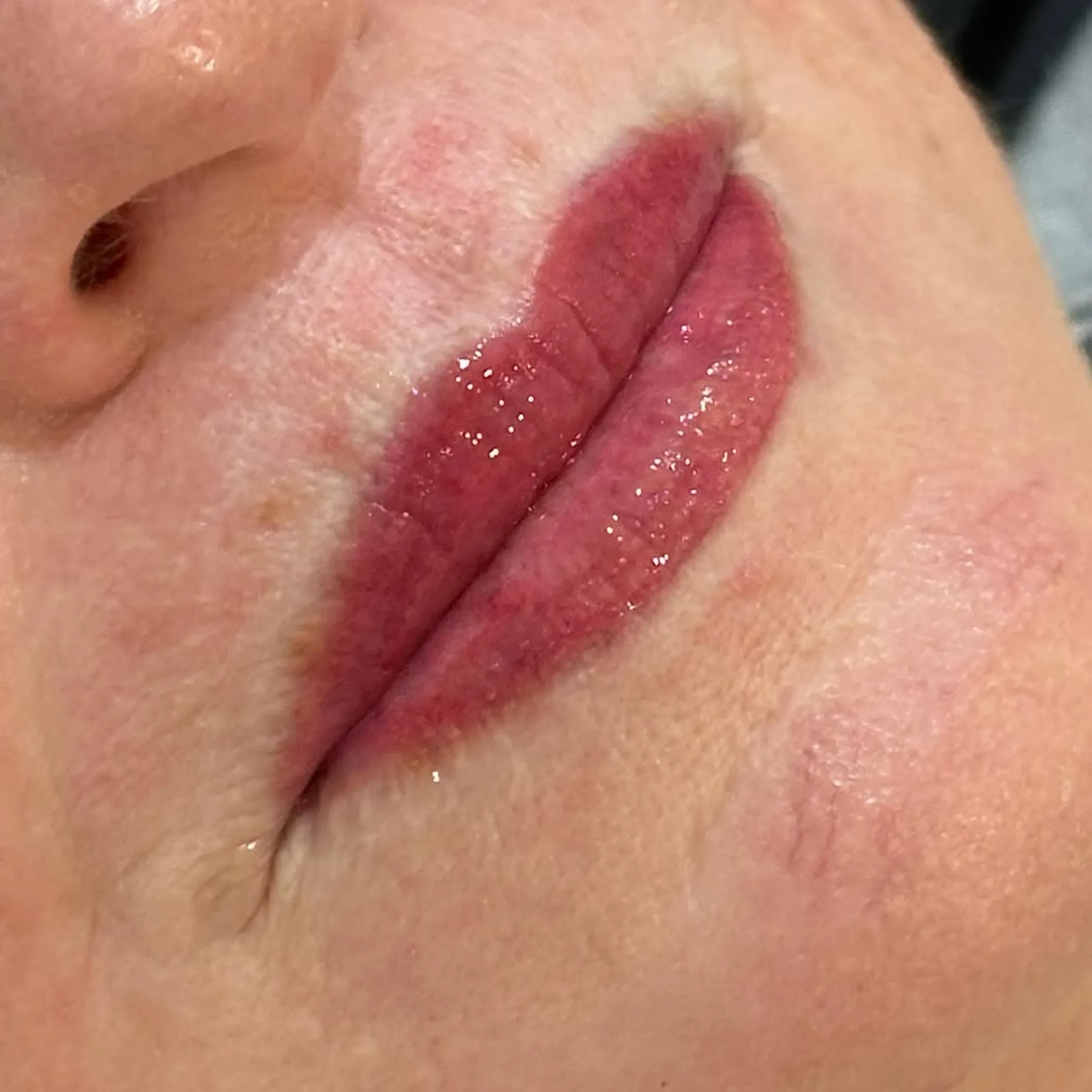
Day by day the lip tattoo will progress through its phases: from the tenderness and swelling to the bright colour and peeling, then on to the muted ghosting and eventual settling of the pigment. Mark 7 to 10 days for the surface to recover, 10 to 14 for the colour to start coming back and 4 to 6 weeks to see the true result.
Be gentle with your routine and refrain from judging until the healing is done. If things seem to be getting worse, seek some advice. It is a wiser course of action than to be poring over a hundred filtered images of a healing process in the middle of the night.
