There is no need to make a fuss over tattoo sun protection in Australia. The rule of thumb is to let a fresh piece of work heal under cover, away from the direct rays, and once it is done, use broad-spectrum SPF 50+ and some common sense to look after the ink. One might not think of it on a mild or overcast day but the UV here will bring on sunburn, irritation and fading.
I am Robert Crowe of Victoria. From this side of the country an afternoon can be deceptively pleasant and yet put out a good deal of UV. I have seen my share of folks put their new tattoo on show as though it were a finished work of art, and then find that the swimming, the sweat and the sun are not very accommodating. What follows is a guide to seeing your tattooed skin through an Australian summer with a minimum of bother.
The Damage Done By Summer Sun
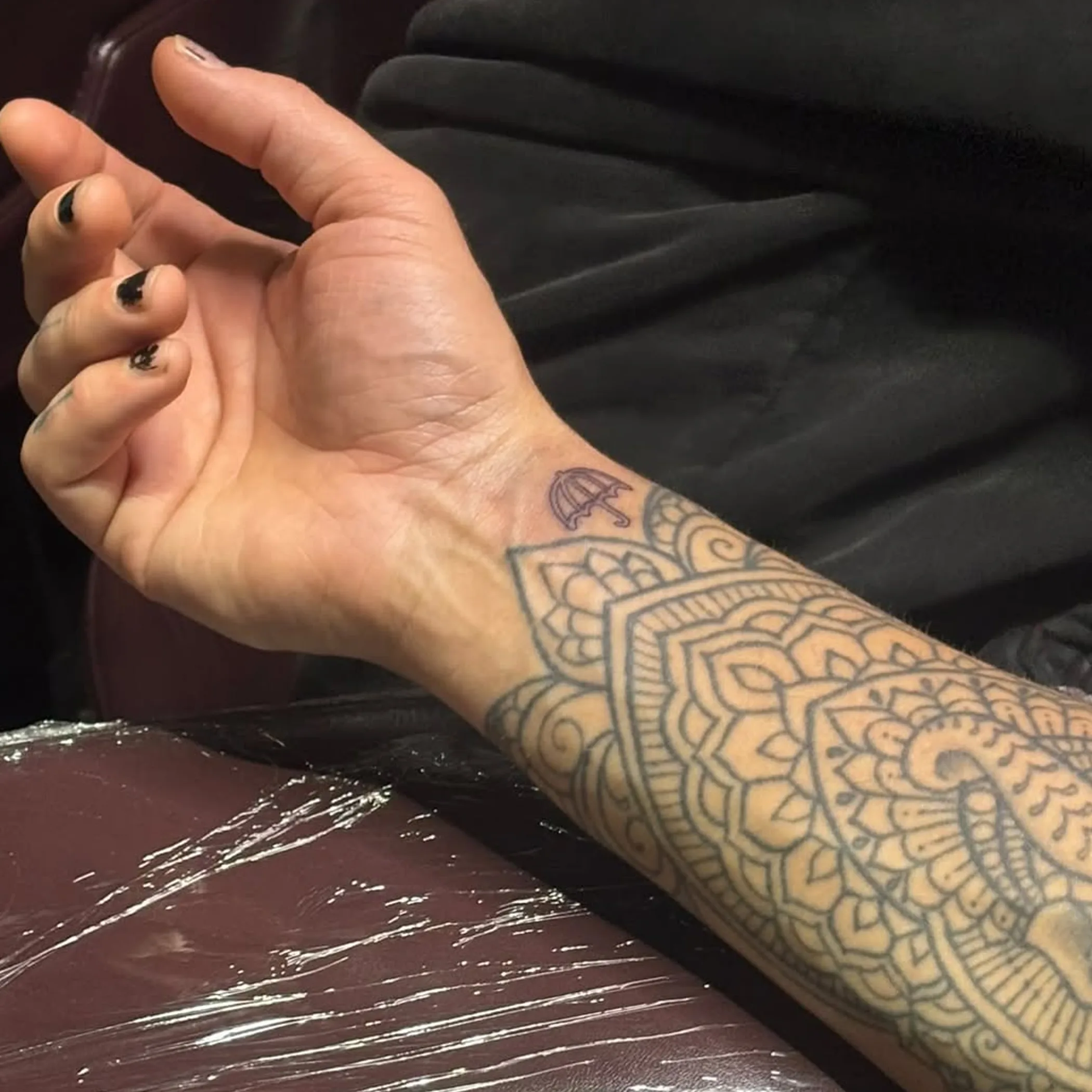
Even at a comfortable temperature the UV radiation in an Australian summer will get to the skin. It is the same thing that makes your shoulders red; it will irritate healing skin and in time break down the pigments of a healed tattoo. Not to mention the skin surrounding the ink. Dry or sunburnt skin has a way of making colour seem dull and uneven, whereas healthy skin keeps it looking sharp. For more summer tattoo aftercare advice, protect healing skin from harsh sunlight. Your artwork does not offend the sun, it just has a history of making trouble.
UV Radiation And Fading
UVA goes deep into the skin and UVB is what you associate with a burn. Put them together for enough exposure and you will hasten the fading of a tattoo, on the hands or forearms for instance. Bright colours lose their vividness and dark ink its contrast. You are not going to ruin a healed tattoo with one brief exposure but it is the cumulative effect of being out unprotected that counts. Be it on the tinnie or by the pool, or walking in the bush, those are the times to be on guard.
Patience For Fresh Skin
In the beginning a tattoo is an open wound, the skin barrier is compromised. It could be weeping, tender, warm and shiny with peeling skin on top. Putting it in the direct sun is asking for more irritation and a sunburn is an injury the skin is already labouring to put right. Do not try to tan a new tattoo or think you are in the clear with a spot of shade. Sand and water and pale rock will reflect UV back at you.
What The UV Index Tells You
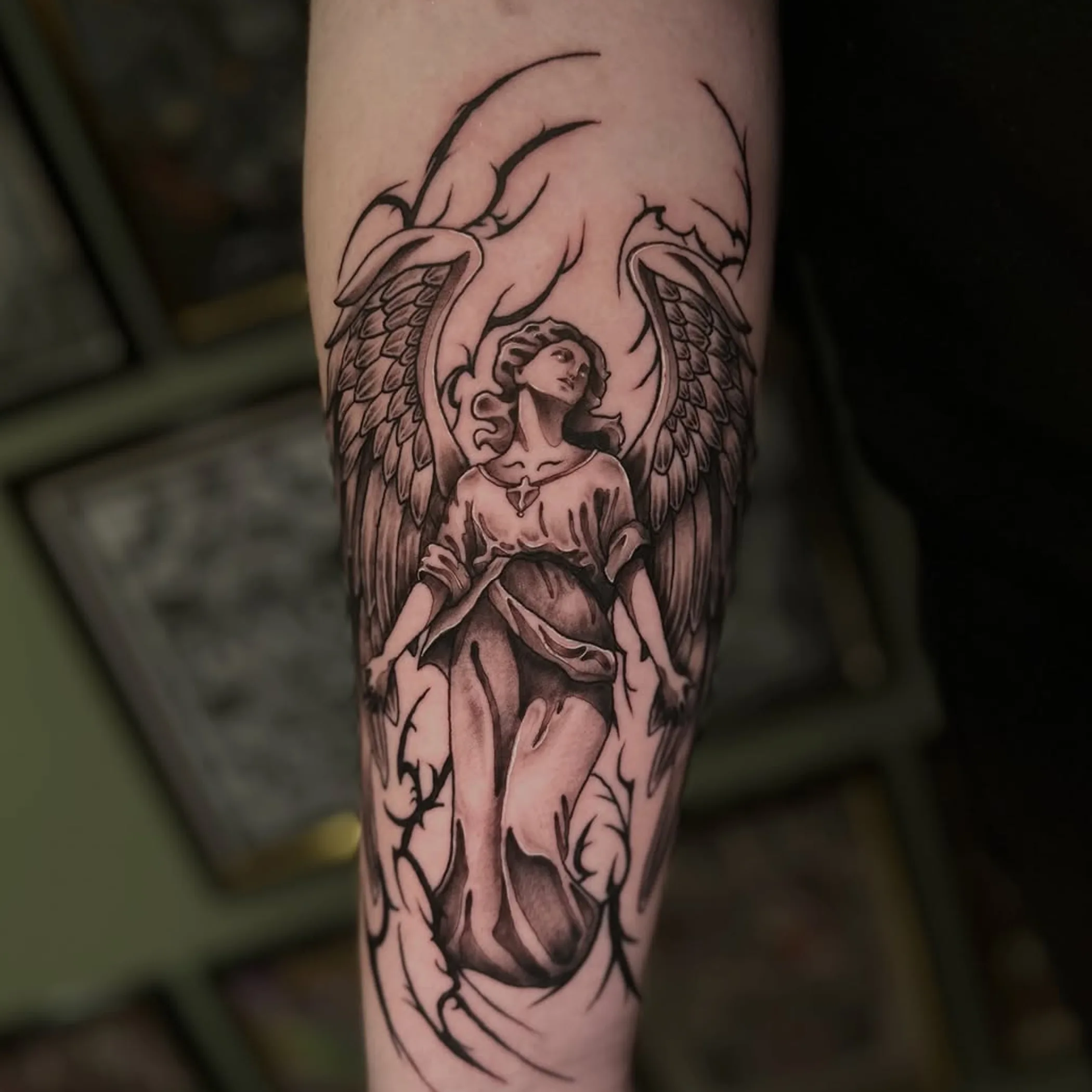
If there is one rule to take on board from the Australia UV Index it is to put on some protection once it is 3 or higher. In parts of Australia you will hit that mark long before the day gets hot so do not be a mug and judge the risk by the thermometer. The Bureau of Meteorology has the details on its official site if you want to check the forecast for your area.
UV Scale
| UV Index | Meaning | Tattoo Protection |
|---|---|---|
| 0–2 | Low | Sensible for long stints outdoors if you have fair or sensitive skin. |
| 3–5 | Moderate | Healed tattoos should have broad-spectrum sunscreen applied. Get some shade and put on a hat. |
| 6–7 | High | Be careful with reapplication of sunscreen on the tattooed skin and limit direct exposure. |
| 8–10 | Very high | Cover up the tattoos and plan to be outside when the UV is not at its peak. |
| 11+ | Extreme | Clothing and shade are your first line of defence. Steer clear of any direct exposure you can. |
It is a measure of the UV that causes sunburn, not the heat. There can be high UV on a cool, windy Great Ocean Road day. Clouds are no guarantee either.
Summer Timing
For the most part UV is at its worst mid-day, though it varies. Up in the Top End the humidity and cloud of the wet season are no excuse to forgo protection. Down south a bright day in Perth, Adelaide or Melbourne can generate plenty of UV even if the morning was crisp. With a fresh tattoo best to leave your errands for the early hours or late afternoon and stay in during high or extreme UV. A stop at a roadhouse or a walk from one parked car to another on the Stuart Highway is sun exposure for all intents and purposes. The sun makes no distinction between an iced coffee run and some sightseeing.
New Tattoo Sun Protection
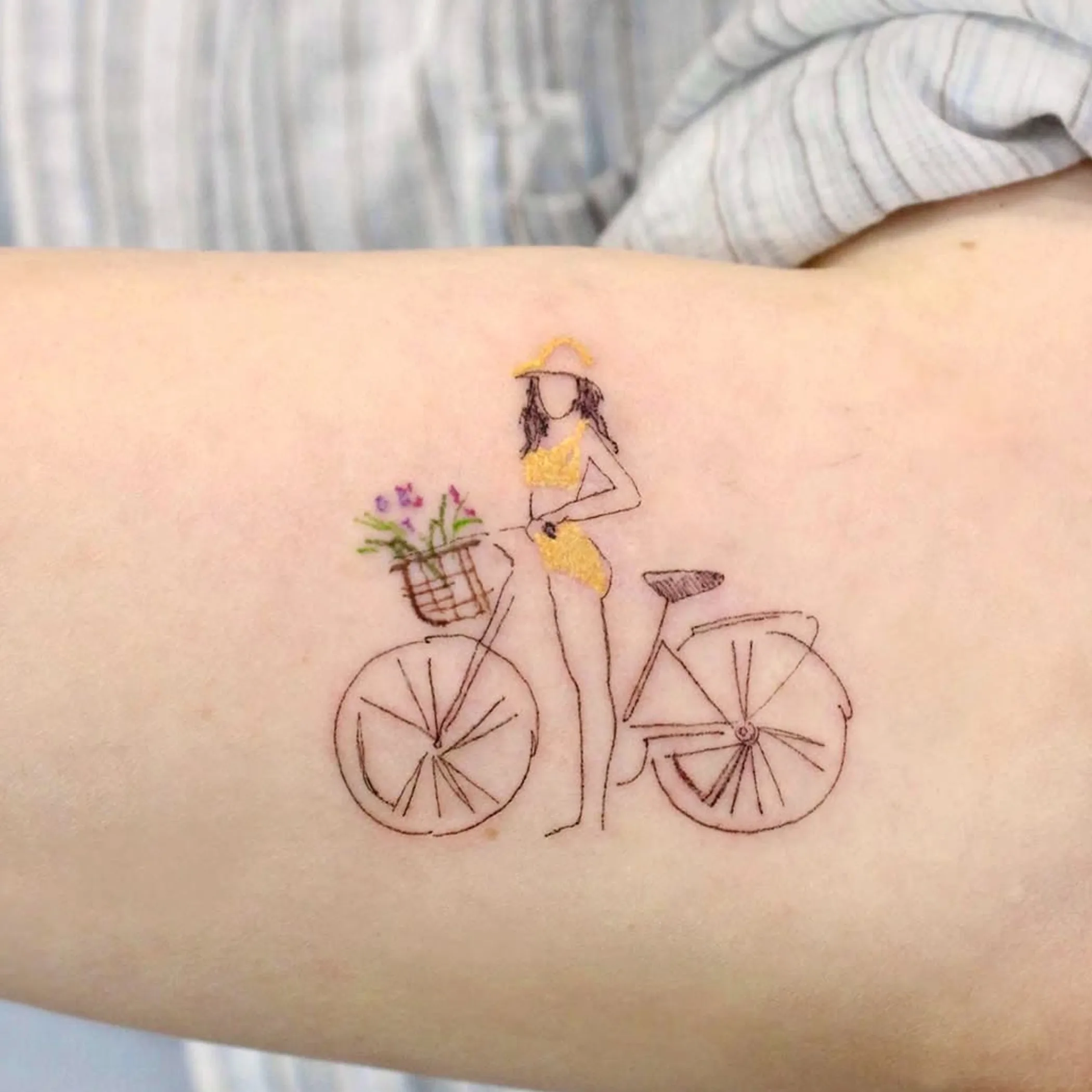
Until a new tattoo has seen off its healing phase, keep it out of the sun. While two to four weeks will see most people through the surface healing, a more substantial piece with heavy shading or density can take its time. In any event, put your tattooist’s word over ours as to when you are in the clear; he knows how long things vary.
The best protection is of the physical kind: some clean, loose clothing that will not rub at the tattoo. Leave the cling film at home for a day out unless your tattooist has made it plain you should be using a certain type of dressing.
Is sunscreen an option?
Not on a fresh or healing tattoo, as a rule. Where there is weeping, scabbing or peeling, sunscreen will only get in the way of the process, trap in sweat or sting broken skin. Put it on once the skin is properly closed. There should be no oozing, tenderness or odd redness to speak of. If in doubt, have a word with your tattooist or a health professional, not the loudest voice by the barbecue.
Healing-Period Checklist
- Cover the tattoo with something breathable and keep it from the direct rays.
- Adhere to the moisturising and cleaning regimen your tattooist has set out.
- Hold off on the ocean, lakes, rivers, spas and swimming until the tattoo is done healing.
- Let the scabs and peeling skin be, even if they hang on like an old screen door.
- Should you notice pus, worsening pain or a spreading of the redness, or if you are not feeling well, get medical opinion.
Swimming is a summer pitfall. Salt and chlorinated water will irritate the healing skin and too much soaking can compromise the barrier. And damp clothes will make for discomfort as the sweat builds up under them, so change and put your aftercare instructions to use.
Outdoors with a Healed Tattoo
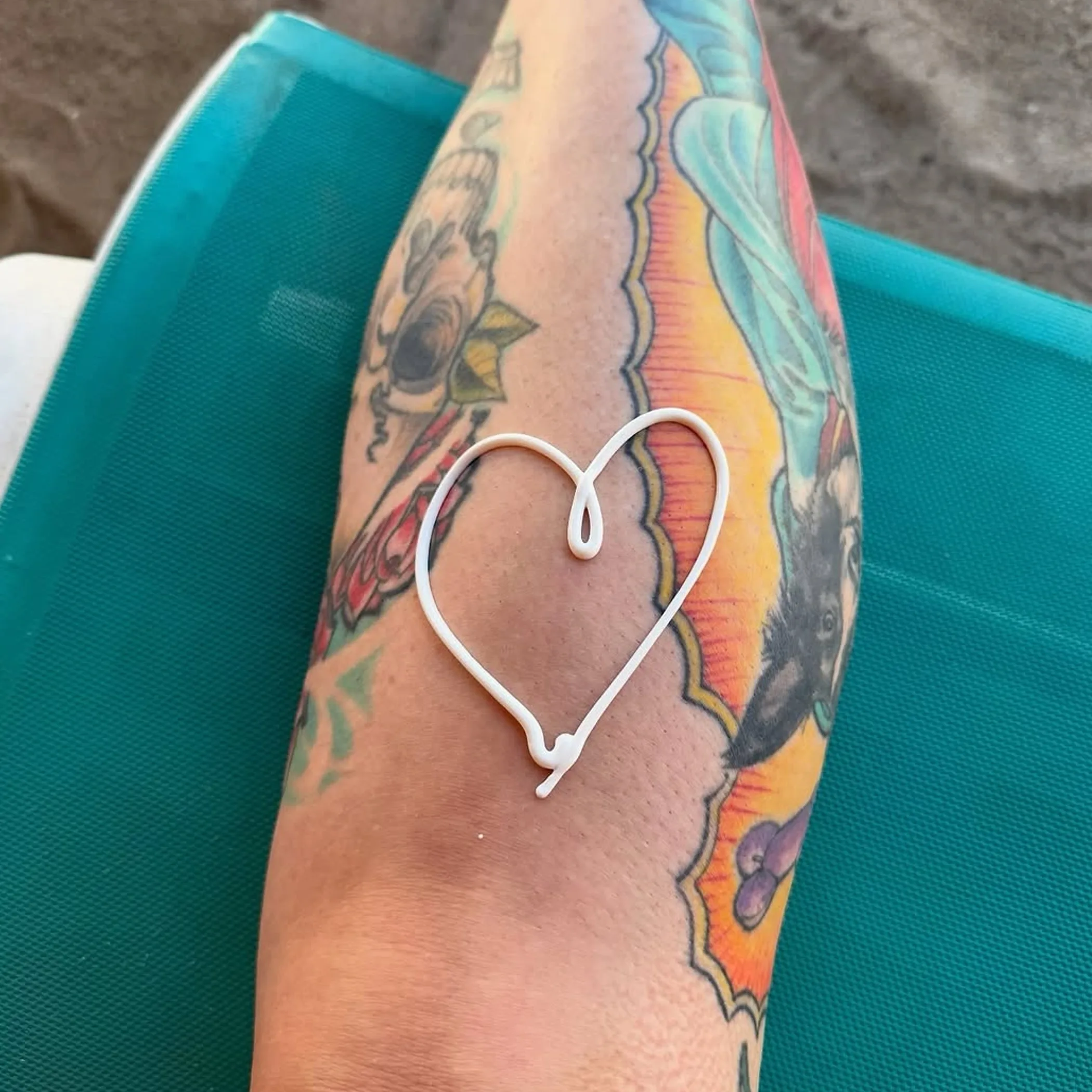
UV protection is a habit you need to form, not a quick fix. When the skin has recovered, any ink on show should be put under SPF 50 or 50+ broad-spectrum sunscreen before you head out.
It will not put a tattoo in stasis but it spares you and the surrounding skin from superfluous UV. That is worth doing to keep a fine-line or blackwork piece, or some pale highlights, from turning into beige soup.
Make it part of your routine
Be generous with the application on healed, dry skin before you leave the house. Do not think a morning slathering will see you through a day at the beach or on the highway; reapply as the product dictates, especially after a swim or towelling off. Have a tube in the glovebox or your hiking pack and see to it the date has not passed. A rash or burning means to wash it off and consult a professional.
There is more to it than sunscreen
A cover-up or a lightweight overshirt will give better coverage of a busy tattoo than working sunscreen into every crevice. And do not forget the tops of the feet, the hands and neck. On the Larapinta Trail or in the Pilbara in your shorts, shade and clothing are more sensible than putting sunscreen on dusty skin over and over.
On SPF
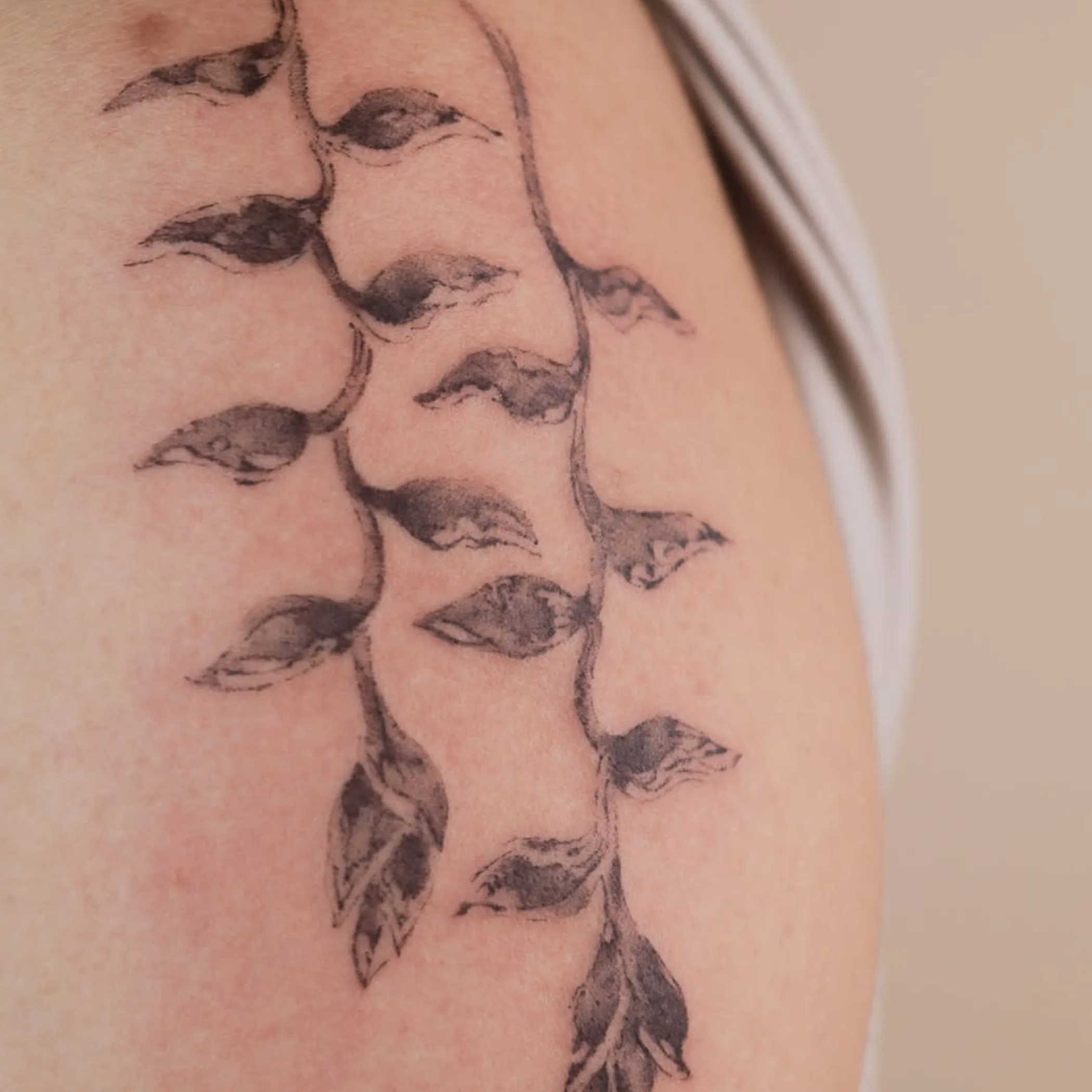
For a healed tattoo go with a broad-spectrum SPF 50/50+ to deal with UVA and UVB. Pick a formula you will make use of; water-resistant is handy for the pool or when you are sweating (but it is not waterproof) and those with sensitive skin may prefer something without fragrance.
Application That Actually Works
Put it on the whole of the exposed area and the tattoo itself, but there is no call for a vigorous polishing of the skin. Let it settle before you don your clothes or go in the water. Be mindful of where a backpack strap or sleeve might rub and work the product off with the friction and sweat.
Summer Habits That Catch People
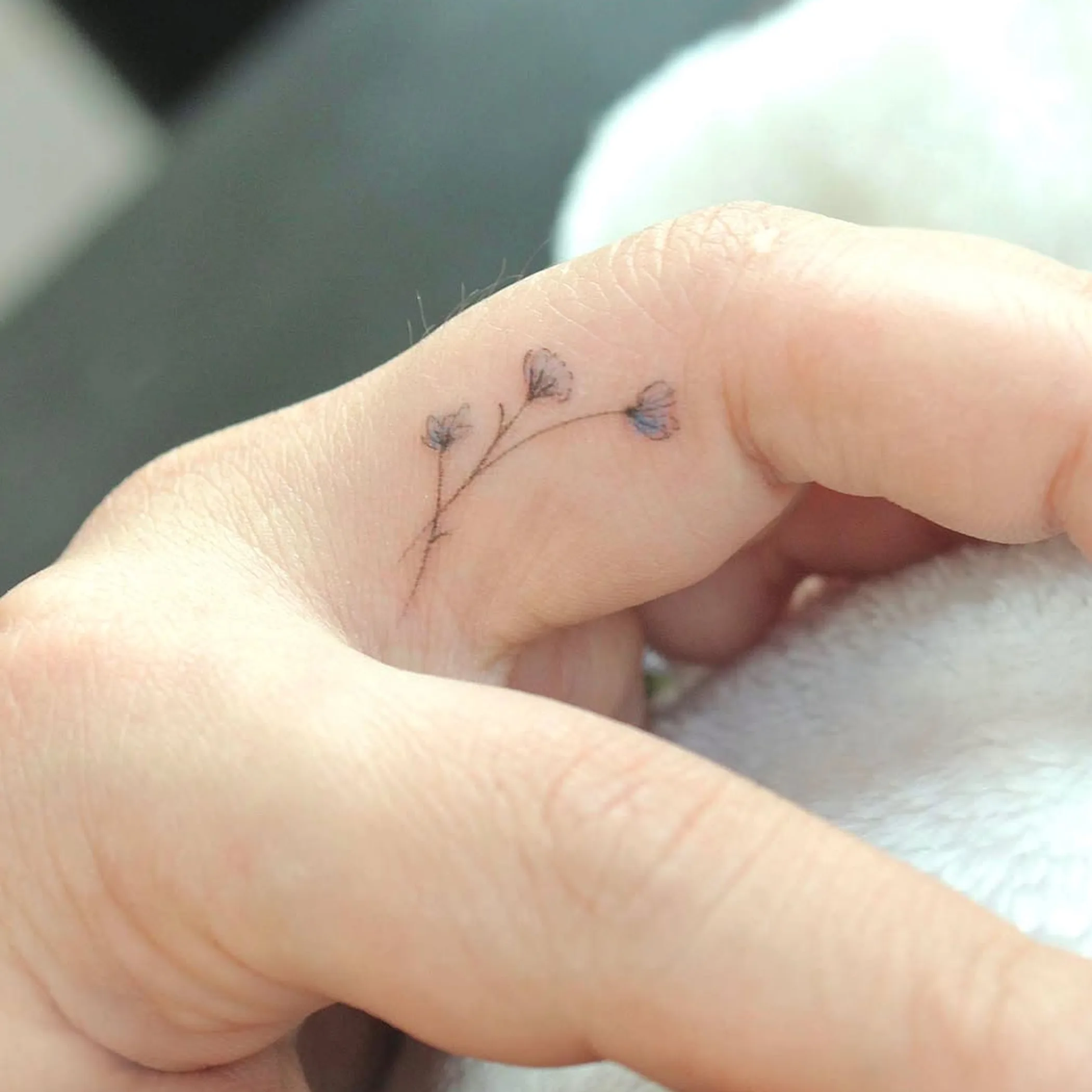
For the most part, people have the sunscreen down but miss the finer points. A tattoo is shielded at the beach yet not on the drive back; one puts a new piece of ink under a flimsy white shirt and leaves it to it, or takes it as given that clouds are a free pass.
I have been taken aback by the cumulative effect of unremarkable summer activities: a trip to the tram, some time in the garden with the hose, an afternoon at a café window or while the takeaway is being put together. They do not seem like much, but if you have tattoos on your forearms or hands the repeated exposure will tell.
Expectation Versus Reality
Expectation: you think a high-SPF product is all the cover you need for an afternoon in the sun. Reality: in fact it is only one form of protection and has to be put on and put on again.
Expectation: you may believe a healed tattoo is no trouble. Reality: the truth is the ink can still be made to fade by UV.
Expectation: when a fresh tattoo ceases to be sore you feel it is safe. Reality: the skin barrier is not always as recovered as the comfort level suggests.
Common Mistakes To Avoid
- Putting sunscreen on a new tattoo prior to the skin closing.
- Opting for something with a lower SPF on account of its lightness.
- Overlooking the tattoo in a whole-body application.
- Failing to reapply after a swim or a good sweat and towel down.
- Wrapping a healing tattoo in tight, soiled or abrasive clothes.
- Using tanning oil or some deliberate sunbaking to get the ink to “pop”.
Before you set off for any bushfire country, make sure you have checked what the local warnings and closures are. Smoke, dust and heat will complicate matters for your tattoo. Up north in Australia a cyclone alert between November and April has a way of upending plans in a hurry; if there is an indoor day to be had, do not take a fresh tattoo on some rough-as-guts outdoor excursion.
FAQ: Australian Tattoo Sun Care
The following are the sorts of questions put to us by tattooed Australians ahead of a weekend road trip or a day at the beach. We try to give answers that cut to the practical side of risk reduction, allowing for the fact that everyone heals differently.
How Long Should A New Tattoo Stay Out Of The Sun?
Until it is fully healed, which is two to four weeks in most cases. More than that if it is a large tattoo or has a lot of shading. As long as there is any oozing, scabbing or tenderness, keep it covered and heed your tattooist.
Can You Put Sunscreen On A Fresh Tattoo?
As a rule, no. It will sting and irritate the damaged skin. Put on some clean, loose clothing and let the skin close and heal before you think about sunscreen.
What SPF Is Best For Tattoos In Australia?
A broad-spectrum SPF 50 or 50+ for a healed tattoo. Make sure to apply it well to any exposed skin and reapply as necessary. Do not discount shade and clothing either when the UV Index is 6 plus.
Does Sun Exposure Make Tattoos Fade?
It does. UVA and UVB will over time take the intensity and clarity out of the pigments. Wear your sunscreen and seek out some shade to slow it down.
Should Healed Tattoos Still Be Protected From UV?
They should. The pigments and the skin around them are still open to radiation. Handle it as you would any other exposed skin: SPF 50+, sensible covering and no reason to get burnt.
What UV Index Is Unsafe For A Tattoo?
There is no magic number that will ruin a tattoo outright, but from a UV Index of 3 upwards you should be protecting yourself. When the levels are extreme or very high, limit your time in the direct sun and make use of shade. A fresh tattoo is to be kept out of it come what may.
Keep Your Ink Summer-Ready
Aftercare in summer is largely a case of common sense done right. Fresh ink is to be kept dry and covered, healed tattoos get the broad-spectrum SPF 50+ and you check the UV Index before you put in a long day outside. Reapply after water or sweat.
It is a routine that will serve you walking the dog or at a campsite with the billy on, crossing the Nullarbor or on a Melbourne tram. There is no call to pamper your tattoo like a royal corgi, just have a reliable sunscreen habit and some sensible clothes.
And for further advice on summer aftercare, bear in mind: fresh ink wants its time, healed ink requires protection and you should have respect for the Australian UV in any season.
