To be a sustainable tourist on the Great Barrier Reef in 2026 is to put your money where it counts, on restoration and local communities and research. It involves the sort of reef-safe conduct in the water and an eye for lower-impact tours that you will not find with just any operator; look for one with eco-tourism credentials to prove it. The short of it is: book with an eco-certified outfit, put on your reef-safe sunscreen with some care, do not stand on the coral and shun single-use plastic. Heed the rules of the Great Barrier Reef Marine Park Authority from the time of booking until you are on board.
I am Robert Crowe and I will be blunt about it: the reef has no use for people who come to “tick it off”. What is required is a visitor who can make an appearance without acting like a bull in a china shop with flippers on. This guide is for those making plans from the Whitsundays, Port Douglas or Cairns in these times of travel. I have put down what is of consequence, how to get it right and what is likely to trip you up.
Why It Is An Issue In 2026
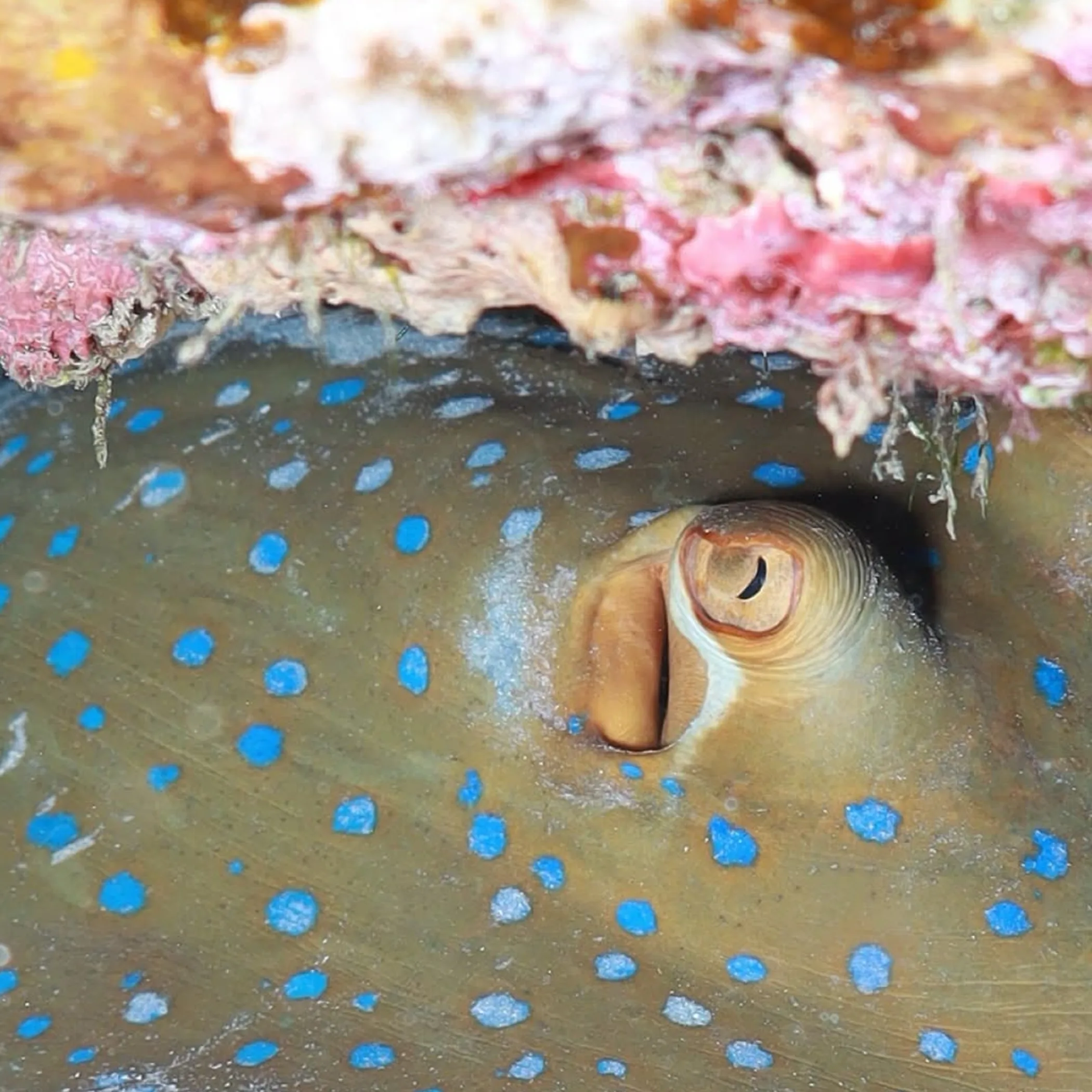
The talk of sustainable tourism here is anything but theoretical. It comes down to whether the way you holiday eases the strain on a system under enough duress already from climate, crown-of-thorns starfish, poor water quality and the throngs of visitors in favoured spots.
There is no reason to stay away, you should simply go better. When you do, tourism can be a means of underwriting reef monitoring and coral restoration work, and putting some reward in the pocket of operators who do not regard marine protection as mere brochure window dressing.
Reality Check
Do not be under the impression that every reef trip is a carbon copy with a different logo on the side of the boat. Some have far superior mooring, site rotation and waste management and it shows in the state of the reef and your day. Then there is the matter of scale. With the Great Barrier Reef running some 2,300 kilometres down the Queensland coast, the water, the crowds and the condition of the reef will vary considerably depending on whether you are coming from Green Island, the Whitsundays or Cairns. For those planning their first visit, check out these reef newcomer tips Australia.
| Area | Typical Access Base | Best For | What You Will Find |
| Outer Reef Near Cairns | Cairns | Day trips, intro diving, snorkelling | A step up in quality from most nearshore options, though you are at the mercy of the weather and longer boat runs |
| Low Isles / Port Douglas Reaches | Port Douglas | Families, a more leisurely pace and the odd eco excursion | Logistics are straightforward but the sea can turn on you in a hurry |
| Whitsundays Reef Sites | Airlie Beach | Your Whitsundays eco tour and island-hopping | Weather disruptions are par for the course and it gets crowded when the season is on |
| Green Island | Cairns | For the novice, quick transfers | More convenient than one might think, and busier too |
And for the record, the Great Barrier Reef Marine Park Authority puts the World Heritage area at 344,400 square kilometres or so. That is why you need to plan locally. Their website is the place for the latest in rules and guidance.
Making The Trip Work
You should have your impact and enjoyment sorted before you start poring over boat timetables. My advice is to keep it simple: do less and do it well. One good day on the water with a reputable operator is worth more than three cheap ones that end with you sunburnt and seasick.
When To Go
In Tropical North Queensland the dry season months tend to be easier on the humidity and you are less likely to have your plans scuppered by rough weather. Do not expect nature to put on a show because you have a booking confirmation. Visibility and swell can change in a moment and in the warmer months you still have to factor in stinger season.
One day only? Make it an outer reef outing from Port Douglas or Cairns with an operator of proven environmental standing, and do not try to fit in a dozen land stops. Three or four days calls for a mix of one day on the reef, a rest day on the coast and something inland or on the tablelands so you are not rushing around as if you were late for a train.
Itineraries With Low Impact
Where you can, take the direct departure from your accommodation. There is no point in making the drive from Cairns to Port Douglas for a trip of like kind; the extra kilometres and parking aggravation, not to mention an early start that would put any saint in a bad mood, are superfluous.
Cairns is your best bet for outer reef day boats, getting to Green Island or one of the eco resorts in the vicinity.
Head to Port Douglas for a more relaxed marina departure and a few of their eco offerings.
Airlie Beach is where you will want to be for Whitsundays eco tours with a bit of reef on top, if you can stand the rough seas on a blustery day.
As for cost, it depends on the operator and what is included. You will be looking at the low hundreds of AUD for a full-day reef cruise as a rule of thumb, but add an introductory dive or a marine biologist and island transfers and the price goes up. Do not skimp too much or you will be without the smaller groups, good staff and site management that are the hallmarks of a sustainable outing.
Better Operators

Responsible planning is about the operator you select. Many a business will make much of the environment in their pitch. Yet when it comes to giving details on fuel consumption, conservation partnerships, waste or how they rotate reef sites, there are not so many who can.
I do not want to hear slogans when Robert Crowe is putting in a review of reef operators, I want specifics. Should I see a website awash with sunsets and smiles but short on substance as to environmental practice, I have my doubts.
The Significance of Certification
An eco-tourism certification is worth having provided it is current and of a verifiable standard in terms of operations and interpretation, not just a badge to be had. One will find operators touting responsible wildlife interaction, fixed moorings in lieu of anchoring on the reef and some support for restoration work. All well and good. Sunlover Reef Cruises and Passions of Paradise are names that come up, but before you book check on their present inclusions and reef practices as they are not set in stone.
Put Some Questions to Them
Find out the size of the group, if snorkelers are being watched over, whether there are trained guides or naturalists and if they put in on citizen science for the Great Barrier Reef. And what is the plan should the weather dictate a change of venue? Some are open about it, others will have you doing something quite different by the end of the day.
A tell tale sign is an operator that runs a tight ship and will give you a thorough briefing on fin control and keeping your distance from coral and so forth. It is the quiet details that show care.
Be Gentle in the Water

You need some self awareness for low-impact snorkelling and diving on the Great Barrier Reef. The reef is no place for flailing about or going after wildlife for the phone camera. If you are a novice at snorkelling then own up to it, pride does not make for a good travelling companion. A floatation device and a sensible briefing at a calmer spot will save you from an embarrassing display of accidental coral kicking.
Do No Harm
Stay horizontal and keep your fins up and a wide berth. Even in shallow water that has the look of rock, do not put a foot down on the coral. It is living tissue and years of growth can be undone in an instant. Fatigue is the enemy; once you are tired your legs will drop and your kicks become undisciplined. In choppy conditions it is better to call it a day than to put on a show.
Diving Lightly
Buoyancy is the first order of business. Leave the fragile sites to those with more control. There are beginner divers who think it is something to boast of to have two or three dives in a day and are left spent and careless by the second half. On a poor-weather day a drift-heavy site is not for the uninitiated; you will be cold and wasting air for nothing. A conservative approach is preferable.
Less Waste, Better Packing
Overpacking, single-use plastic and a substandard snorkel set that gives up after a day all have their impact. Robert Crowe is not fussy: have your basics in order and put them to the test before boarding. There is no need to find your dry bag is as leaky as a sieve when a reef day is already under way.
Travellers will tell you to put on a reef-safe or reef-friendly sunscreen to be less of a nuisance, yet it is an imprecise business with product claims and definitions that do not always agree. One does well to be pragmatic: go with a reputable brand that has little to say about marine impact, put it on in good time before you are in the water and make use of physical defences such as shade, a hat or a long-sleeve rash vest.
There is no point in putting half a bottle of the stuff on at the last minute when it is going to wash into the sea; better to have less of it. A stinger suit or equivalent long-sleeve swimwear is far more sensible than any amount of optimism in the warmer months for keeping the sun and jellyfish at bay.
A reusable bottle for water
Polarised sunnies for being on the boat
Some form of long-sleeve rashie or stinger suit
Tablets for seasickness, should one be so inclined
A small dry bag to put away your phone, medication and card
What Most People Overlook
Hydration for instance, or cashless payment, or an extra layer for the ride back. Boats can be windy and cool and with mobile service being patchy, digital housework is fiddly once you are off. See if gear hire is part of the deal too; there is nothing very sustainable about a panic purchase of some throwaway snorkel equipment in Cairns.
Real Reef Work
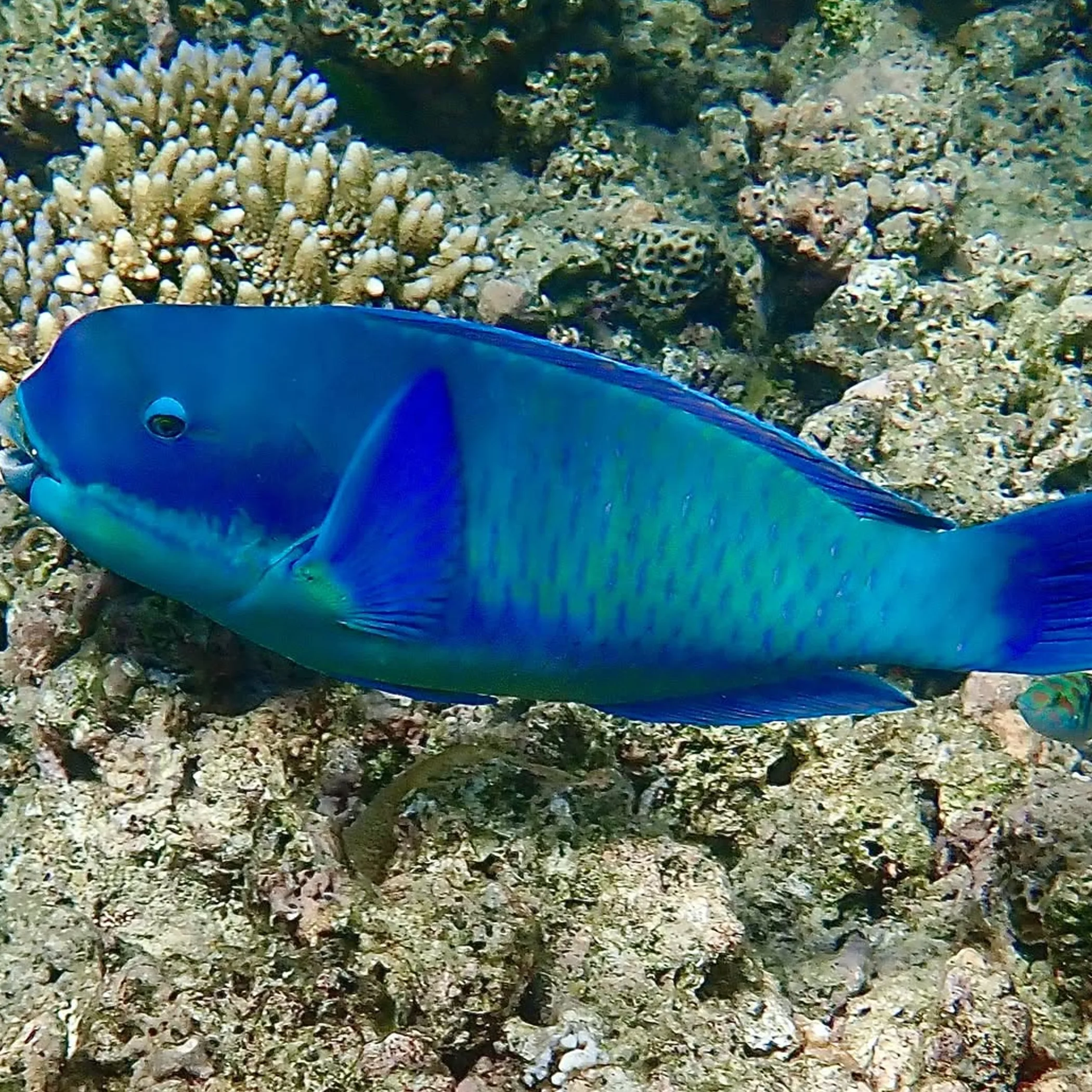
To get beyond the surface of things on a trip, put in some time to see or back active recovery work. A coral restoration or monitoring project will give a holiday some substance. It is here that Great Barrier Reef tourism lives up to its sustainable credentials. An understanding of how restoration is done puts expectations in perspective and instills better manners with the reef.
Citizen Science And Monitoring
Under the Eye on the Reef banner there are citizen science openings for reef health observations and the like, gathering data from users over a vast expanse of ocean. Should your operator put on a talk or a session to log marine life, take it up. You will come away with an idea of species pressure, bleaching and the reason for the rules, which is of more value than mere trivia.
Coral Nurseries And Outplanting
It is no wonder travellers are drawn to the work of the Reef Restoration Foundation, the Coral Nurture Program and the 2026 coral nurseries. While outplanting and site-specific restoration can aid recovery in damaged spots, they are no panacea for the pressures on the reef. Any operator worth his salt will be open about the limits as well as the promise of their programs, because these sit alongside the need for water quality work, emissions reduction and dealing with crown-of-thorns starfish.
Make Your Mark With Lower Impact
Your choice of day boat is only part of your footprint, where you put your head at night is just as telling. In Tropical North Queensland a sustainable accommodation will have real local employment and systems for energy and waste, not just a green signboard. There are simple places that are all the wiser for it, eschewing the frantic box-ticking of a luxury lodge for a slower pace and careful resource management.
Accommodation
Eco resorts in and around Cairns will have policies to show for it: refill stations, a system for linen reuse, less single-use plastic and food from the locality. Support for conservation groups is a bonus. The price tag on a mid-range cottage or apartment can be justified if it means you are near the departure point and save on parking fees and long transfers and the like.
Put Some Stock in Local Knowledge
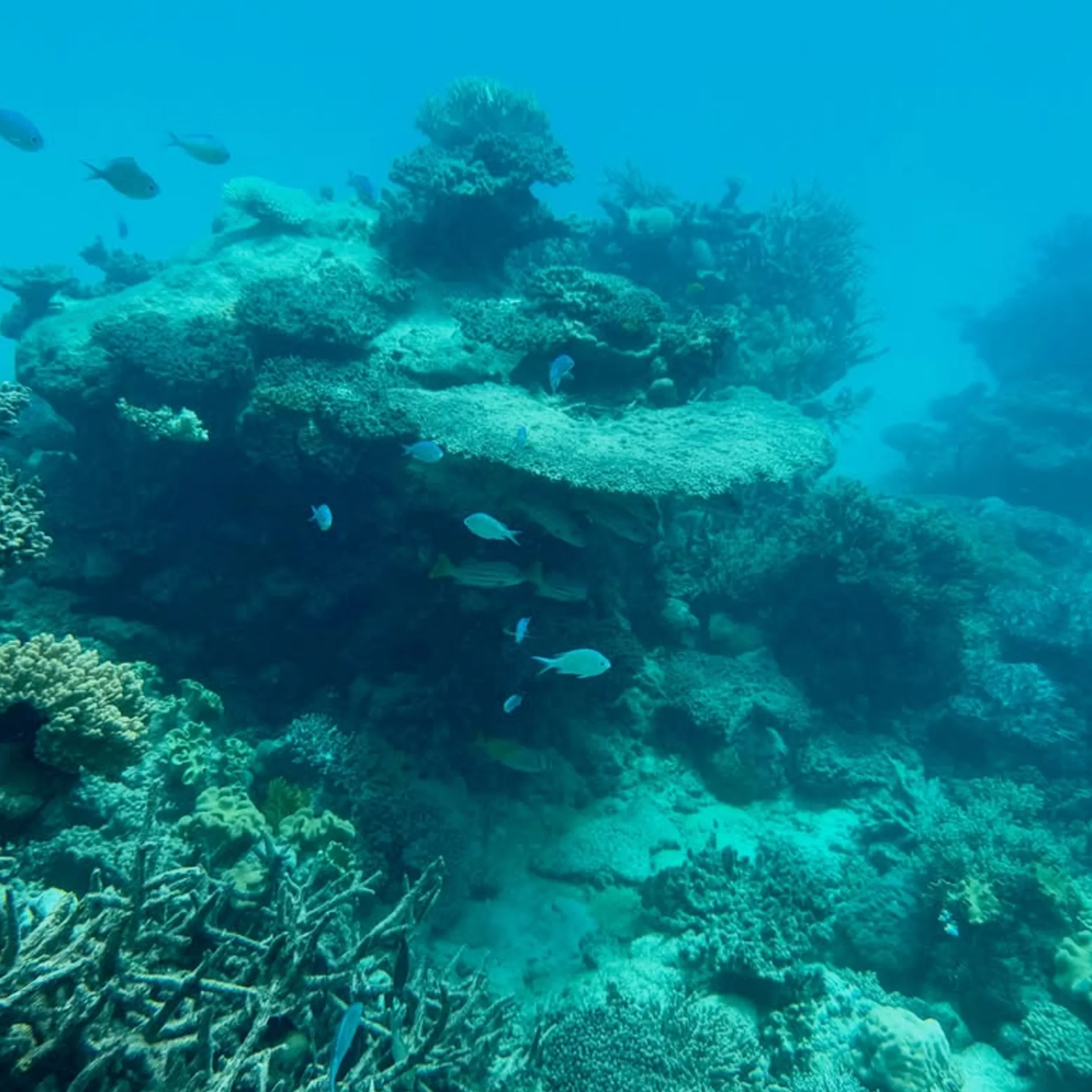
Mass-market itineraries leave much out and it is a question of who is made better off by your presence. Small operators and Indigenous experiences bring a context to the reef. As Robert Crowe would have it, you make sense of a place by listening to those who have an interest in its survival over the next decade and put in the work there.
Community And Cultural Value
Go with the regional guides and tours that are run locally and tie in the history of the community and Country to your time on the reef. You will find these complement any marine pursuits or time spent on land in the Cairns and Port Douglas area and the rest of Tropical North Queensland.
For an initial itinerary, the reef newcomer tips you might come across on an Australia thread online are fine, but there is no substitute for local knowledge when you are on the ground. The staff at a good visitor centre or with one of the smaller accommodation outfits can tell you in no uncertain terms which tours are properly run and which are as crowded as a tin of sardines.
Rules And Risks To Be Aware Of

One need not be told that common sense and vibes are not enough to make for a good reef holiday; indeed, it is the quickest way to ruin one. There are the marine park regulations to consider, not to mention the weather, stingers, sea sickness and what your body can take. Overlook them and a minor matter becomes a nuisance. Heed the Great Barrier Reef Marine Park Authority and what operators put forward in their briefings, old hand or not. Site access and safety protocols are subject to change.
A Question Of Safety
In the wetter months in North Queensland the weather has a habit of turning on a dime, so look at the cancellation policy before you book for cyclone or storm season. Seasickness prevention is merely good planning given how frequently crossings are rough. Then there is the matter of being croc-wise in estuaries and mangrove shorelines, even if the bulk of a reef visit is offshore. When you are swimming near the mainland, heeding stinger advice and any signage is important, as is ascertaining whether a stinger suit is called for. And do not under-estimate the physical toll: between the ladders and boat movement, the current and the sun, older folk and nervous swimmers and small children can be done in quicker than you think.
On Permits And Conduct
Licensed operators will have taken care of the necessary permissions for your commercial reef trip, so most visitors are not required to put in for separate permits. But the rules are still on you. You do not feed wildlife, you do not put shells or coral in your pocket, you do not litter and you stay where you are told at the pontoons or island sites. All of this is dictated by operator regulations and the frameworks of the GBRMPA and the Queensland Government. When in doubt, put the question to them first, be it about a drone or fishing or some impulse to “just hop over”.
2026 In A Nutshell
Opt for eco-certified tours, go about things at a slower pace and let the operators and your lodgings put their money where their mouth is in treating the reef as something living and not a set piece. Put your own money there too. Keep off the coral with your gear and person. That is what sustainable tourism on the Great Barrier Reef is all about in 2026.
I would say, as Robert Crowe, do not go after the biggest day. Make it a thoughtful one. The reef is well provided for in admirers; what it wants are better guests.
Frequently Asked Questions

The sort of thing that comes up in the group chat once you have your booking tabs open.
Is it worth making the trip to the reef in 2026?
It is, provided you are responsible and have realistic expectations. Some places are in better shape than others and conditions are a function of the site and the season. With a decent operator you are helping to fund restoration and monitoring instead of putting careless pressure on the place.
Can you trust the reef-safe claims on sunscreen?
Not invariably. The marketing can be wishy-washy. Better to use protective clothing and apply your product from a reputable maker with clear ingredient lists before you get in the water to limit wash-off.
More for an eco-certified excursion?
Usually. But then you are getting value in the form of less waste and better staff support and environmental management. A cheaper option in AUD may well be a poorer value if it is a shambles and you are packed in with everyone else.
What about beginners wanting to snorkel the Great Barrier Reef in a responsible manner?
They can. Just pick calm waters, put on a floatation device and be honest about your confidence. The risk is in thinking you are more capable than you are; that is when you see panic and coral contact.
How to put in for coral restoration without being in the way?
Make sure your operator is part of something credible like the Coral Nurture Program or the Reef Restoration Foundation or an Eye on the Reef initiative. Do not meddle with the nurseries and follow directions. Outplanting is only part of the equation in reef protection.
