There is nothing like the Great Ocean Road in winter, but it is not as carefree as a summer run when the sun is out; you will have to be more circumspect. In brief: put aside more time than seems necessary, don’t be on an unknown part of the road once it is dark, and if things are unexceptional, keep your speed well under what you would normally feel comfortable with. And check on the weather and the roads before each leg.
Winter in southern Australia has a way of quietly catching you out, not in any dramatic fashion. I am Robert Crowe and I can say the Great Ocean Road in winter is no exception. The pictures make it seem placid, then you have fog in the Otway, rain coming in sideways by the coast or a fallen branch after a blow, and a wallaby or kangaroo at the tail end of the day. You still want to do it, of course, but with your wits about you.
Respecting the season
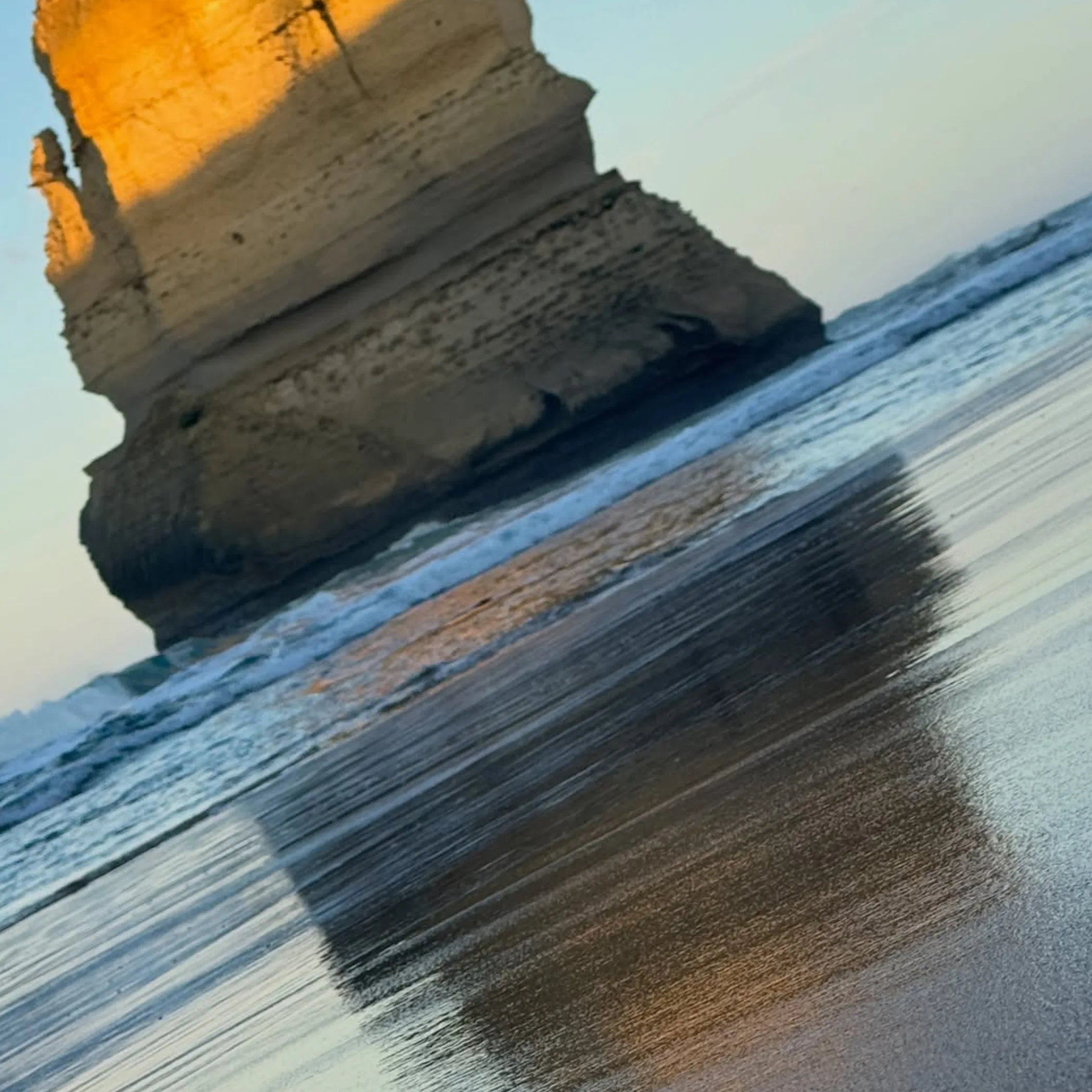
The moody, windswept character of the coast in winter is lovely, but lazy planning has its place in no other season. It is a route where the beauty will have you forgetting the basics, and that is how trouble begins.
You won’t find anything exotic in the risks here. They are simply made worse by the season: the wet and the slipperiness of the coastal roads, less daylight, visibility problems in the Otway, storm debris and the odd bit of wildlife at dawn or dusk. Put in some tourist traffic that will stop of a sudden at a lookout and you are on a road that has little use for bravado and all the more for patience.
Where people err
It is easy to think the difficulty lies with the cliff-edge portions. More often the risk is on an ordinary stretch where a driver has let his guard down and comes across a tight bend, a vehicle he cannot safely pass or a patch of road soaked under the trees. The conditions in the Otways in winter are particularly so; one minute the road is fine, the next it is dim and covered in leaves.
Some planning ahead
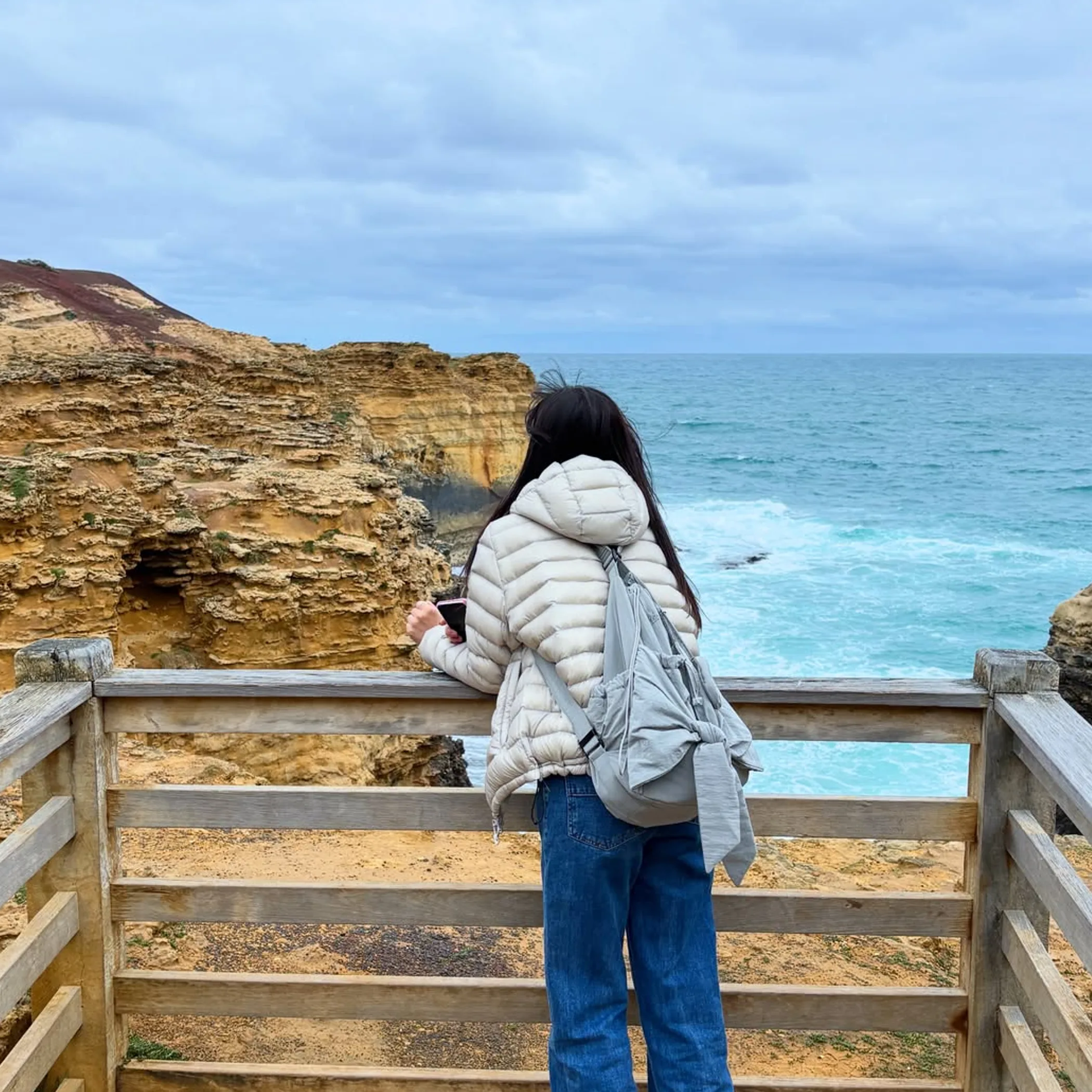
You should be planning a good winter drive the day before you put the key in the ignition. My rule is straightforward: if you can’t tell me in a minute where you are going, when you plan to finish and where you will be for fuel and lunch, you have not done enough.
For those making the self-drive from Melbourne the usual way is via Geelong and Torquay and west along the coast, which puts the ocean pull-over lanes to hand and makes the lookouts more accessible. Before you set off and at any lengthy stop, have a look at VicTraffic for any incident reports or warnings in Victoria; a bit of wind or rain and the closures and disruptions can be a different matter in short order.
Make it two days
Don’t go into it with noble intentions of doing the whole thing from Melbourne and back in a single day. Wet and windy weather will see a day like that become wearisome in a hurry and fatigue is something you don’t want. One day is better spent on Torquay to Apollo Bay or from there to the Twelve Apostles.
Most will find two days a lot more realistic. Three if you prefer to put in some walking and a proper meal instead of making every scenic spot a pit stop. Go slowly and westbound, and with an overnight stop so you are not out after dusk.
Timing in reality
A map has an optimism to it. Factor in the wet, the photo-takers and the slower pace, and what the map says is 90 minutes could be two hours or more.
| Section | Good Conditions | Winter Reality | Things to note |
| Melbourne to Torquay | 1.5-2 hrs | 2+ with the traffic or rain | Early start fatigue, spray and commuters |
| Torquay to Apollo Bay | 2.5-3 hrs | 3.5+ on a wet road with stops | Sudden braking from tourists, slippery bends |
| Apollo Bay to the Twelve Apostles | 1.5-2 hrs | 2 to 2.5 in a shower or fog | Debris from the wind, wildlife in the Otway |
| Twelve Apostles to Warrnambool | 1 to 1.5 hrs | Longer as the weather turns | Low light and open-road fatigue later on |
Take these as practical figures, nothing more. The assumption is that one will be driving with due caution and put up with the normal vagaries of a winter day, not encounter any serious incidents or road closures.
A Proper Car Check
One does not want to find in the middle of winter that the wipers are more of a smear than a wipe or the tyres have seen better days. Robert Crowe has had his share of regional miles and can attest to the fact that what is a minor mechanical irritation in town is a genuine safety issue on a wet stretch of road between services.
Europcar and the like will provide a hire car; make a circuit of it at the depot before you go and see how the demister, wipers, lights and tyres are doing. On a guided outing with operators such as Cooee Tours, put to them how inclement weather might alter the return time or stops. It is sensible, not fussy.
Inspection prior to leaving
Tyres should be your first concern. Slick roads mean longer braking distances so you need adequate tread. After that, run through the list: headlights, brake lights, wipers, washer fluid, heating, demister, fuel, phone charging. See if your spare or repair kit is where it is supposed to be, many do not bother.
Have your breakdown gear to hand in case of an inconvenience. Warm clothes, a waterproof jacket, water and snacks, a torch, power bank and medication should not be under a weekender and whatever was bought at the bakery.
Fog And Rain
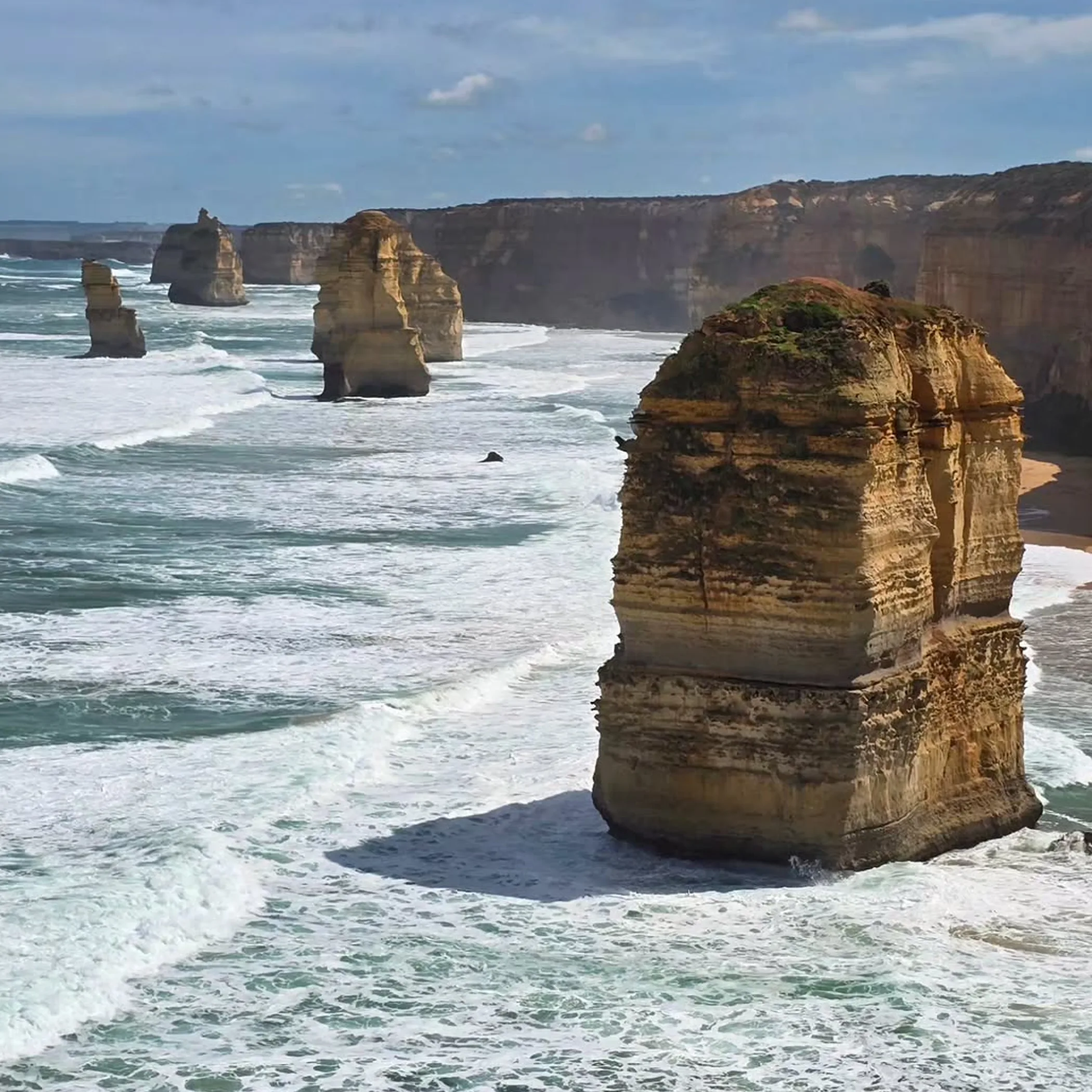
There is no warning when the Otway goes from being green and gentle to dim and murky. Robert Crowe appreciates the rainforest atmosphere but he will say it tempts drivers into bad habits as they go about their sightseeing.
It is the fog and lack of visibility that is the problem, not the rain per se. Put the headlights on and ease off the speed, do not make any abrupt lane changes and give some distance. Tailgating on a damp, winding road is foolish in any season, let alone winter.
Some things to bear in mind in the rainforest
The tree cover keeps the road wet and leaf litter can make it slick. You will feel the difference on a bridge or a patched surface in the shade. Forget the generic Great Ocean Road tips, the one that counts is to apply the brakes before the bend and steer gently.
Should the fog get so thick you are having to make out the edge line, slow right down and wait it out in a township or at a proper turnout. Do not pull over in a live lane for a dramatic photo of the mist because you want one. A simple trip can turn into insurance forms in a hurry.
Make the most of the daylight
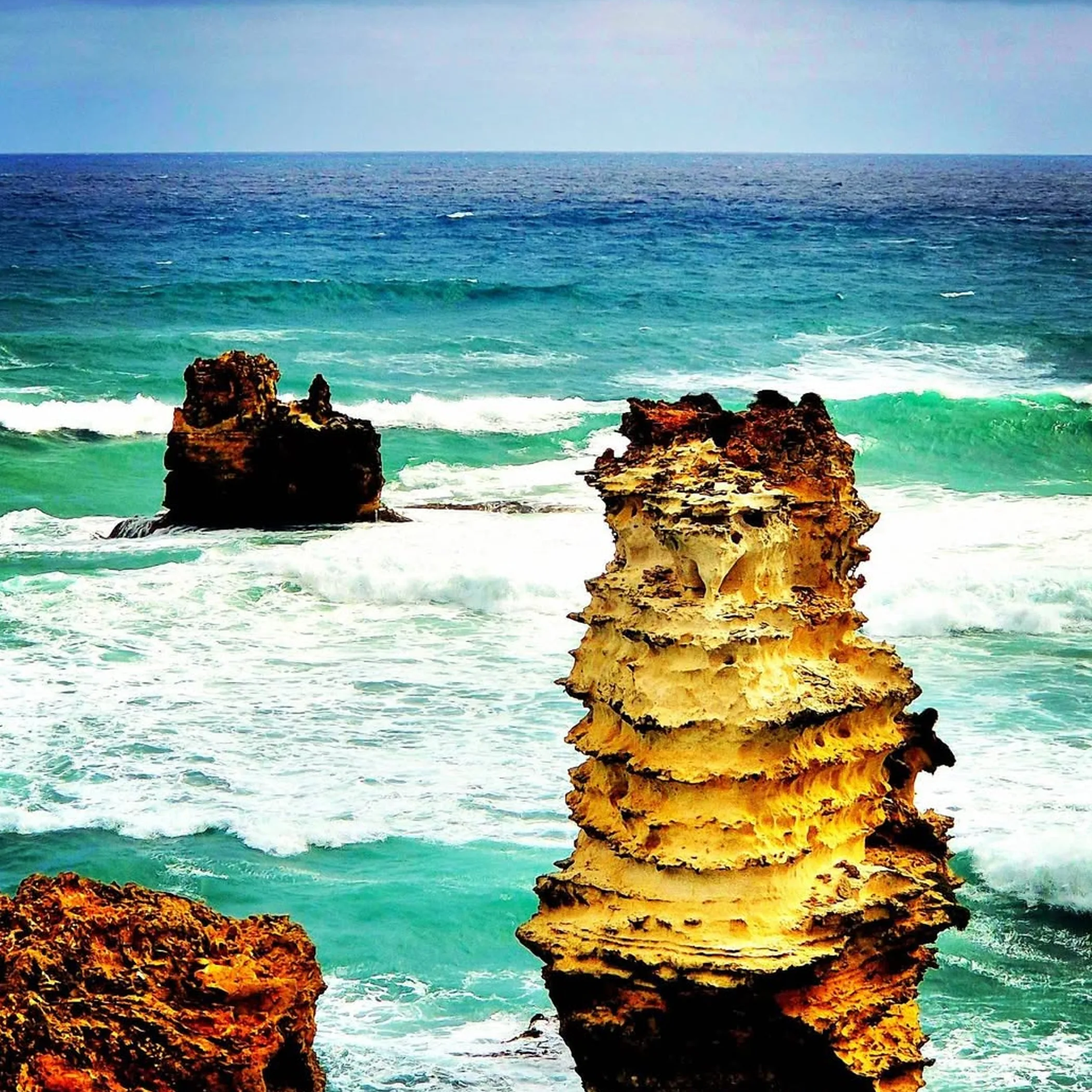
With the winter days being short, planning is paramount. Robert Crowe would prefer to be in for a late lunch a little early than to be white-knuckled in the drizzle for the last hour making up for lost time. An early start and not pushing the daily distance is the way to go. Telling people to steer clear of night driving on the Great Ocean Road is not scare-mongering, it is just common sense on a road you may not know well with its wildlife and scant visual cues.
Off the road before dusk
You should be at your overnight destination well ahead of dusk, not at it. The chances of coming across wildlife on the Great Ocean Road are higher at dawn and dusk, around the bush and farmland and on the quieter inland connectors. If you must have a sunset stop, pick one near where you are staying and avoid a long drive after dark.
For all that some would have you believe a winter drive is easier by virtue of there being fewer people, reality is different. The Twelve Apostles and other key spots will still have their stop-start traffic and the light makes for slower reactions.
Be a good road user
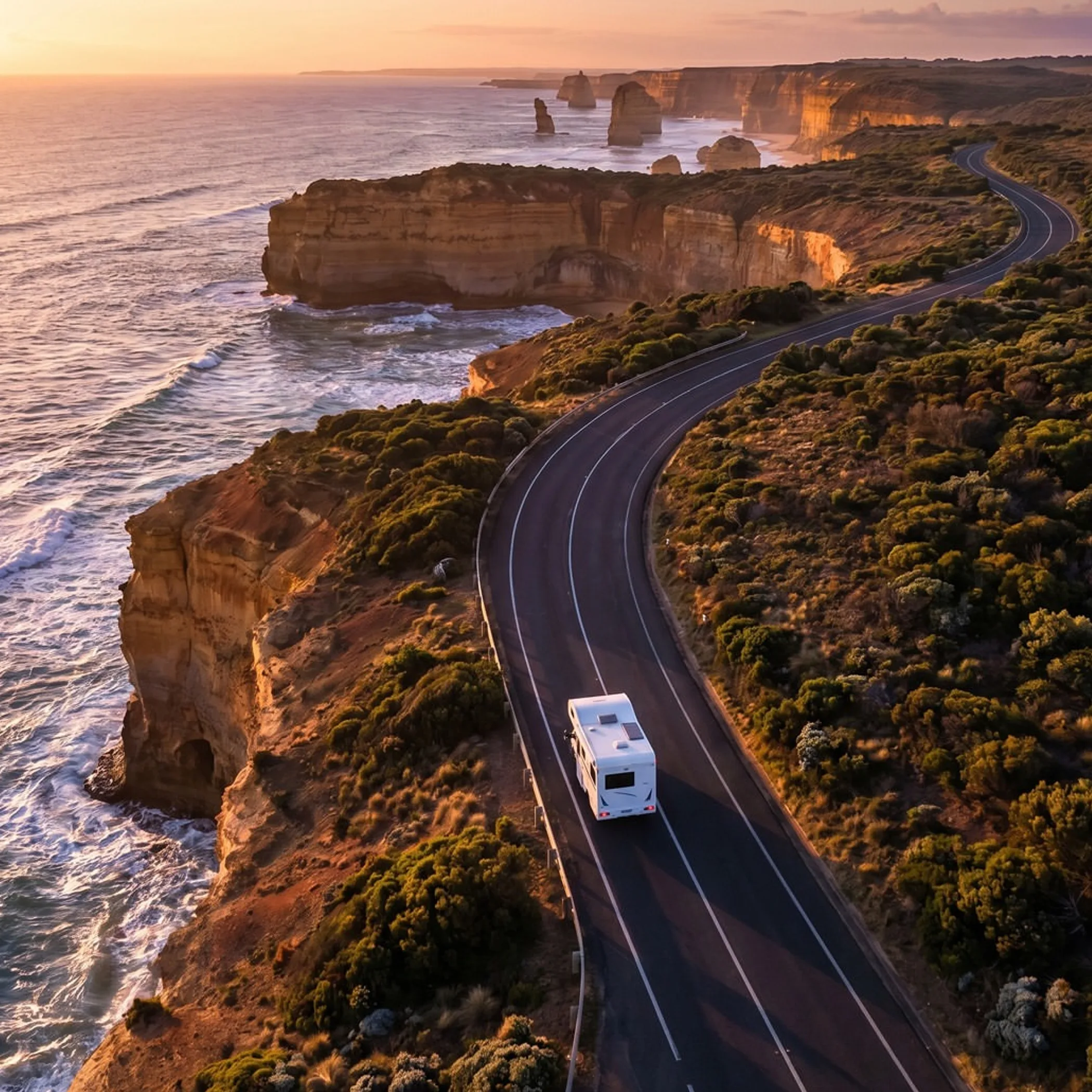
It is only fair that while you are using the road to look at things, the locals have places to be. But there is a courtesy required in mixing the two. As Robert Crowe sees it, if you are going to dawdle over the view then own up to it and let someone else by when you can.
There are slow vehicle turnouts in some parts of the Great Ocean Road; make use of them when it is safe and they are put in place. Be sure to check your mirrors. Should you find a queue of cars on your tail, get out of their way at a rest stop or turnout instead of making them put themselves at risk with an overtake.
The VicRoads have a way of reducing safety advice for the Great Ocean Road to its basics: be predictable, adhere to the speed limits and what the signs say, and drive as the conditions warrant.
Mistakes of etiquette
You will see the tourist who slams on the brakes in the lane for a vantage point and only puts his indicator on at the eleventh hour. Or there is the one who lags well behind the traffic on an open stretch and will not go into a turnout. Not very appealing. The right thing to do is to signal in good time and rejoin when a gap presents itself, and only pull over where the law and safety allow.
Hazards to anticipate
In winter the usual culprits are potholes, wash-off, branches, wildlife and drivers with their attention elsewhere. They are too common to be overlooked. As Robert Crowe would tell you, the ones least preoccupied with the scenery tend to be the safest on a road like this.
Then there is the matter of storm debris after a bit of wind and rain, to be found by tall trees or round blind corners. On the Great Ocean Road you are more apt to come across wildlife at dusk or dawn though it is not confined to then. One animal crosses and you should put on the brakes at once and be ready for another; they are not in the habit of travelling alone out of politeness.
Dealing with wildlife and debris
Put in some low speed so as not to have to swerve about, particularly on the coastal roads where a sudden move can be worse than hard braking in a straight line. Look further ahead than you might otherwise, in places where the bush gives way to a paddock.
Do not be taken in by standing water following a long spell of rain, shallow as it may be; it can conceal rough ground or other detritus. And while the standard route does not include the beach, if you are minded to do some driving there in other parts of Australia, give proper consideration to the sand, tides and access rules. A certain scenic overconfidence has been known to bog down a vehicle or two each year.
Have a plan
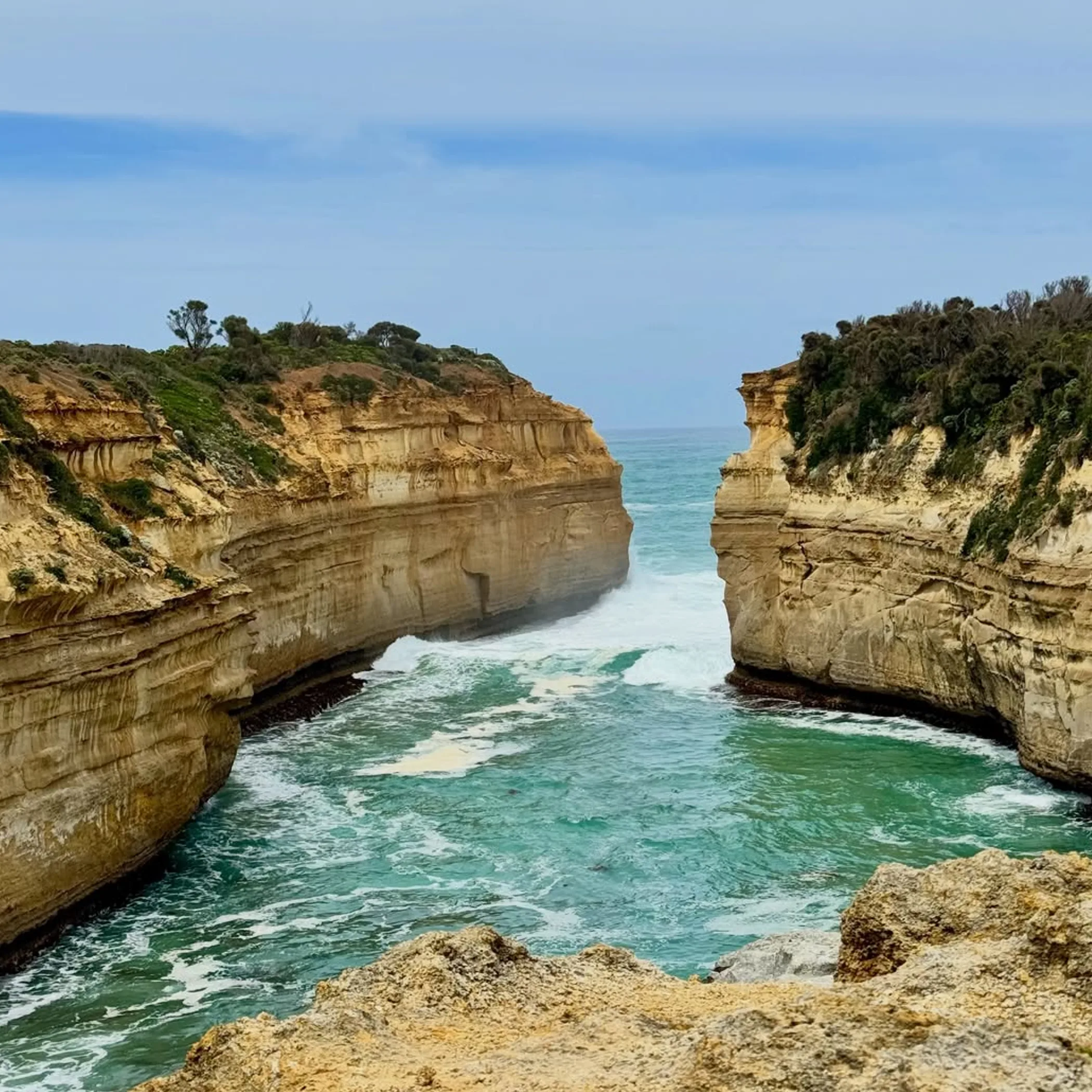
It makes for less of an ordeal when a closure or breakdown occurs if you have made up your mind in advance. Robert Crowe favours contingency plans that are anything but glamorous but are effective. Do not circumvent a barrier or go along with a detour from a stranger in the car park unless it is borne out by official channels. Rely on VicRoads or the sort of local counsel you will get from an Apollo Bay visitor centre or your host, and be willing to hold your ground if things look to be getting worse. You can get oriented with the information available on the Great Ocean Road, but let the emergency and traffic authorities have the final say on safety.
For whom this drive is
Confident drivers with the patience for winding roads and a day’s worth of concentration will find this drive to their liking. Not so much the novice or those with an aversion to narrow sections, still less anyone with the notion of doing the whole of the route from Melbourne and back in a single winter day. It seems a frugal approach until one is fatigued.
Parking is no great trouble at the major stops in winter as opposed to the height of summer, but the bays at the more prominent lookouts can be full. Mind your pedestrians and reverse with care; do not take it for granted a shoulder is fit for parking because there is a car half on it.
A quick checklist
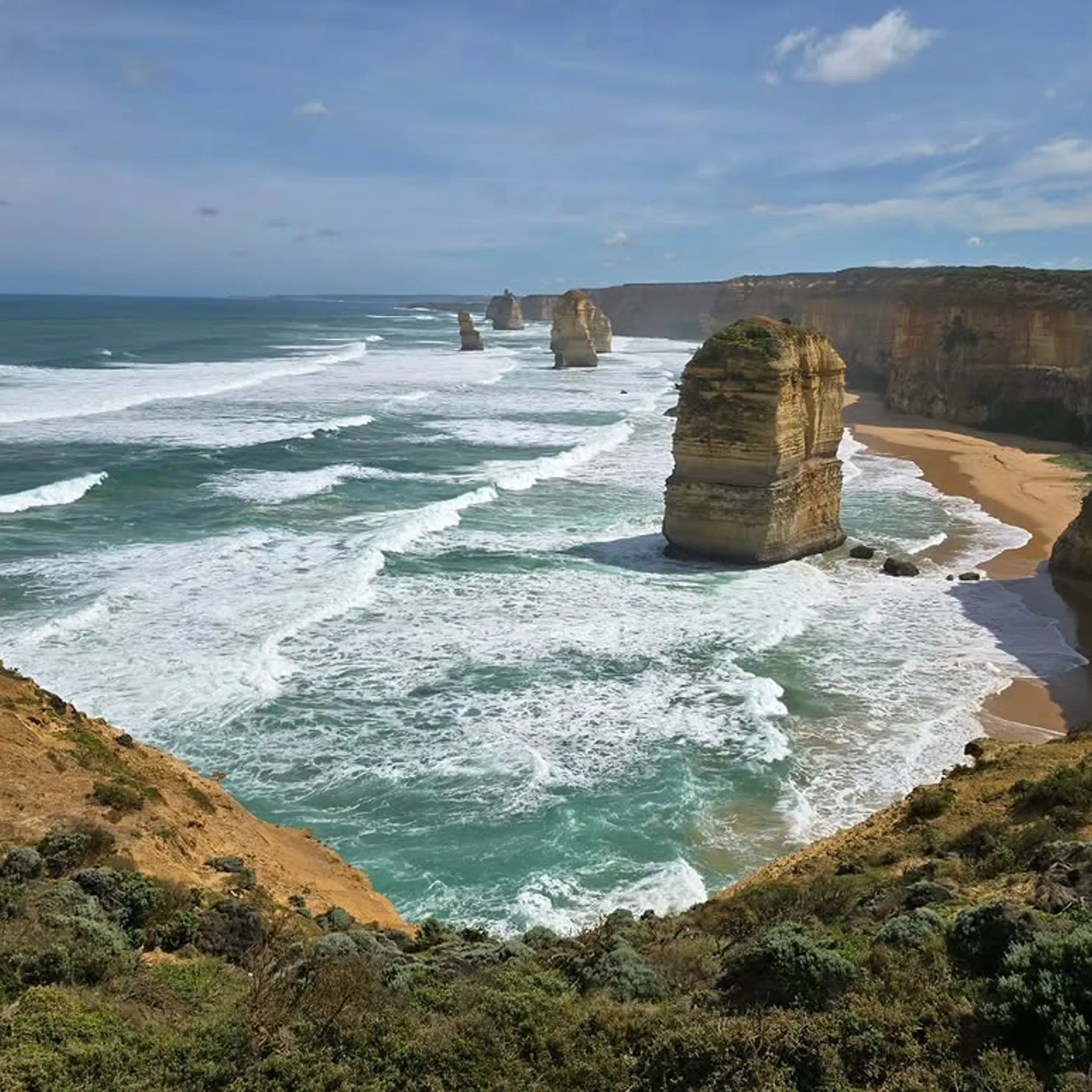
Fancy intentions are no match for a simple routine when the weather is not co-operative. A short checklist is to Robert Crowe’s liking, in part because it does not invite the perilous notion that she could be right.
- Check VicTraffic on every leg of a drive for any delays, incidents or road closures.
- Make an early start with the intention of being done before dusk.
- A once over of the demister, fuel, lights, wipers and tyres is in order before you head out.
- Headlights are for use in dull weather as much as fog and rain.
- On a wet road put some distance between you and the car ahead and do your braking in advance of a bend.
- Should traffic tail you, make use of a turnout or rest stop.
- Be on the lookout for wildlife at dawn and dusk, and take it easy under the trees where the surface will be wet for longer.
- Have some warm clothes, a torch, power bank, water and snacks at hand.
- And if the weather turns severe, there is no need to press on for the sake of a photo opportunity or a booking.
A Word From Behind The Wheel
There is something better about the Great Ocean Road in winter than in the peak season, it is moodier and quieter. Provided you are not inclined to push on like a galah but know when to put in a break and are a humble driver, it is an experience well worth the planning.
To put my advice on driving the Great Ocean Road in a nutshell: get an early start, slow down and approach each bend with the idea it may be rougher than it seems. Then you will find winter on this coast is not so much a trial as a very fine drive through some of the country’s finest scenery.
FAQ
Travellers tend to ask these, and rightly so. One has to assume Robert Crowe has had friends, guests and the odd mildly frazzled type with a takeaway coffee by a rain spotted windscreen put them to him in one form or another.
What Is The Best Way To Drive The Great Ocean Road?
You want to be heading west from Torquay and allow yourself two days at a minimum. It is less of a rush and affords you more leeway with the weather and simpler access to the coastal stops. In winter one is better off taking things slowly.
How Many Days For The Great Ocean Road?
For most, two is the sensible amount of time. You can do it in a day but then you are looking at long hours and greater fatigue with fewer places to put in a stop. Three makes for a more pleasant and secure pace.
How Cold Is It?
Expect to put on a good jacket and waterproofs along the coast in winter; the wind and rain will see to that. The damp air and exposure make it feel worse than the thermometer would have you believe. Some of the forested or inland parts can be raw in the morning.
Is It Safe In Winter For A Beginner?
That is for the beginner to decide. Not the finest first foray on a big road if you are nervous of winding roads or fresh to your licence and unaccustomed to driving in the wet. A guided tour or a shorter stretch when conditions are fine is the prudent thing to do.
Tips On Driving Australian Beaches?
Make sure you are in a place where you are allowed to be and your vehicle and tyre pressures are up to it, and that you have the experience for it. Before setting out you should look into local rules, tides and recovery options as well as your points of entry and exit. But for a Great Ocean Road trip we would say most are better off on the sealed roads and in the car parks provided.
