One could be forgiven for finding Reef Seasons Australia a little bewildering, but there is a straightforward way to look at it. For the Great Barrier Reef and the kind of steady weather that makes for untroubled snorkelling, the dry months between June and October are what you should target. Have whale sharks in mind? Then Ningaloo will not disappoint from March through July. As for the Kimberley or any part of the WA coast, you have to be more particular with your timing; wind, rain, heat and access can all conspire to make a sound plan feel like hard work.
My name is Robert Crowe. Should you be weighing up where to put your time, money and patience this side of Australia, then you will find this guide of use. I put the Whitsundays, Western Australia’s coast, water temperature, visibility, stingers, costs and the like in perspective by the numbers. For more details, check out the WA reef season guide. I also cover what one is apt to come up against once at the marina with a cold coffee and damp swimmers.
A Quick Look At The Reefs
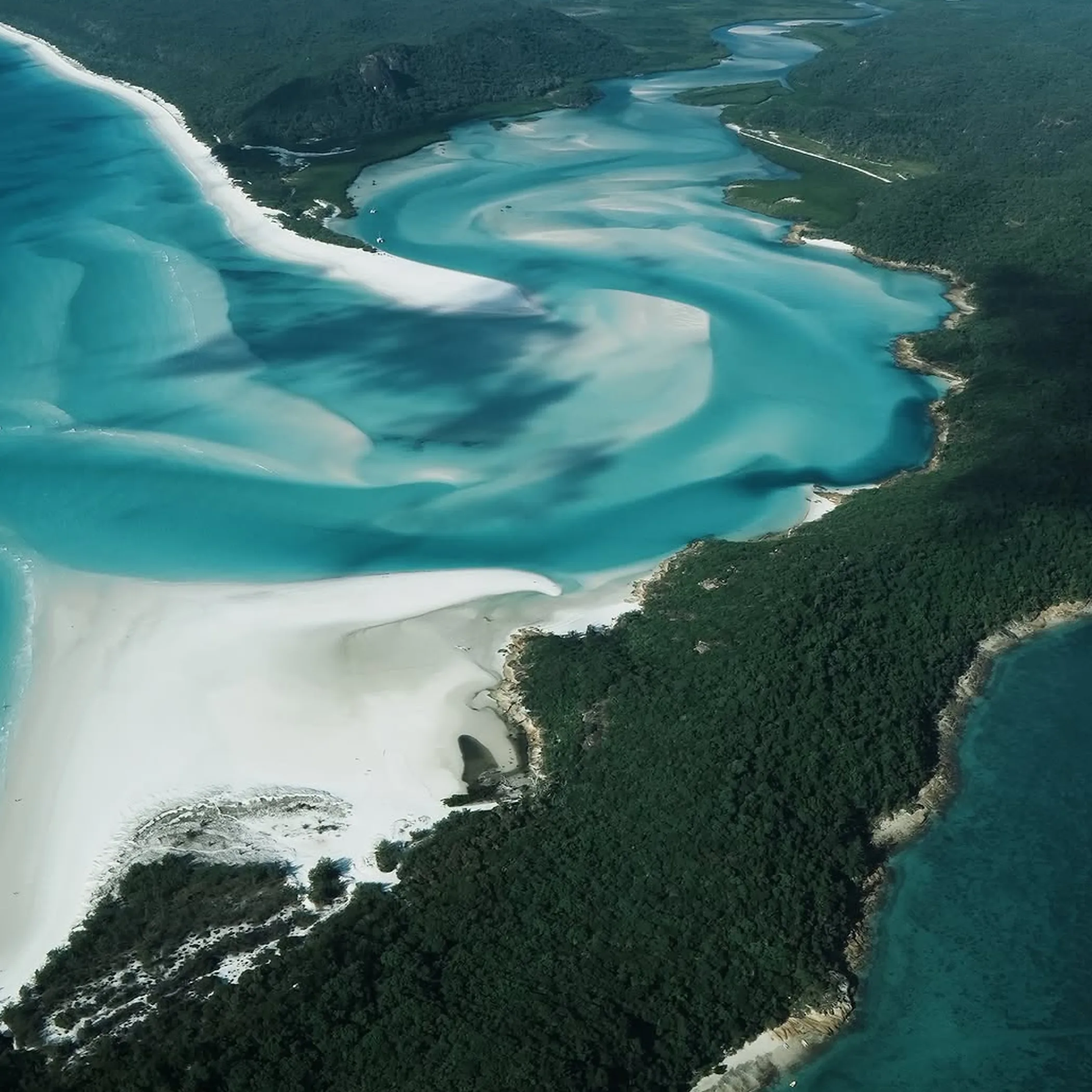
There is no national calendar that Australia’s reef regions adhere to. Exmouth might be offering clear, mild water in a given month while Far North Queensland is in the grip of a monsoonal build-up and the Kimberley coast has its share of boat access problems.
Travellers are prone to the error of thinking winter is universally the time to be or that summer equals beach weather. In my experience as far as reef trips go, land comfort and water conditions are two different matters. A fine forecast is of no consequence if the wind has reduced the visibility to nothing.
The Regions We Cover
We deal in practicalities here. You will find the Great Barrier Reef of Cairns and Far North Queensland, the Whitsunday Islands in central Queensland, and Ningaloo off Exmouth. Also the wider WA reef season from the Coral Coast to the Kimberley edge, where a road trip is often in order. Broome is part of the picture for seasonal reasons; many will include it in a northwest run even if it is more tidal coast than the fringing reef you would want to snorkel.
What It All Comes Down To
You will see wet, dry and green season bandied about in brochures as though we were all fluent in cyclone chart. But they are important designations when it comes to humidity, jellyfish, water clarity and whether your holiday is gloriously simple or a bit feral and damp. Do not think in quarters when making an Australia wide comparison of reef seasons. The tropics of northern Queensland and WA are a matter of heat and rain, whereas at Ningaloo the wind and migration are what dictate the experience.
Dry, Wet Or Green
The dry season on the Great Barrier Reef in Far North Queensland is the surest bet for demand and lower humidity. Come the wet season, November to April, you are looking at hotter days, more rain and the odd cyclone in the offing in some coastal spots.
Then there is the green season around summer. Warmer and wetter, yes, but not to be shunned. There is lush scenery to be had and the odd good price, provided you do not mind variable visibility and the occasional storm scuppering things, and that stinger precautions are just part of doing business.
Down in WA they are not so concerned with marketing nomenclature as they are with the state of the roads and the wind. My advice is to check if the tour is on and if the wildlife event is in its season and not just “about then”.
By The Numbers
For the headline act: June to October is a safe enough choice for the Great Barrier Reef, March to July the sweet spot for whale sharks at Ningaloo, and in much of northern WA late autumn to early spring is more agreeable than the height of summer.
Of course, the “best” is relative to your priorities, be it coral spawning, prices or a warm swim. See the table below for the details. Region and the best window for it Water temperature, what to expect in terms of visibility and any watch-outs.
| Region | Best Overall Window | Water Temperature | Visibility Pattern | Watch-Outs |
| Great Barrier Reef, Cairns, Far North Queensland | June to October is the top pick. | You will see temperatures in the 22–27°C range as you move from the cooler dry months into the shoulder. | Visibility is at its best in the dry when the offshore is calm. | Be prepared for winter crowds, peak demand and the odd wind. |
| Great Barrier Reef, Summer Green Season | If you are willing to put up with some variability, December to March offers warm water and a respite from the hordes. | Water runs 27–30°C or so but can be affected by runoff or storms. | There is the matter of stingers in Australia, the humidity and cyclone risk. | |
| Whitsunday Islands | From May through October, settled weather means good visibility and 22–26°C. | A swim in the winter may leave you feeling the cold and summer brings stingers. | ||
| Ningaloo Reef, Exmouth | March to July. | Expect 23–28°C and excellent conditions in calm spells, provided the wind is not against you. | Windy afternoons and school holiday demand are factors. | |
| Kimberley And Northwest WA | May to September. | The tropical water is warm, mid to high-20s°C. | Tides and weather make for highly variable conditions; there is also the heat, cyclones and huge tides to contend with, not to mention access in the wet season. |
These figures on temperature and visibility should be taken as broad guidelines for planning, not hard and fast rules. The reef is subject to wind, tide, how far out you go and any recent rain. For marine forecasts and warnings one does well to consult the Australian Bureau of Meteorology marine forecasts and warnings before committing to a day on the water.
Timing in Far North Queensland
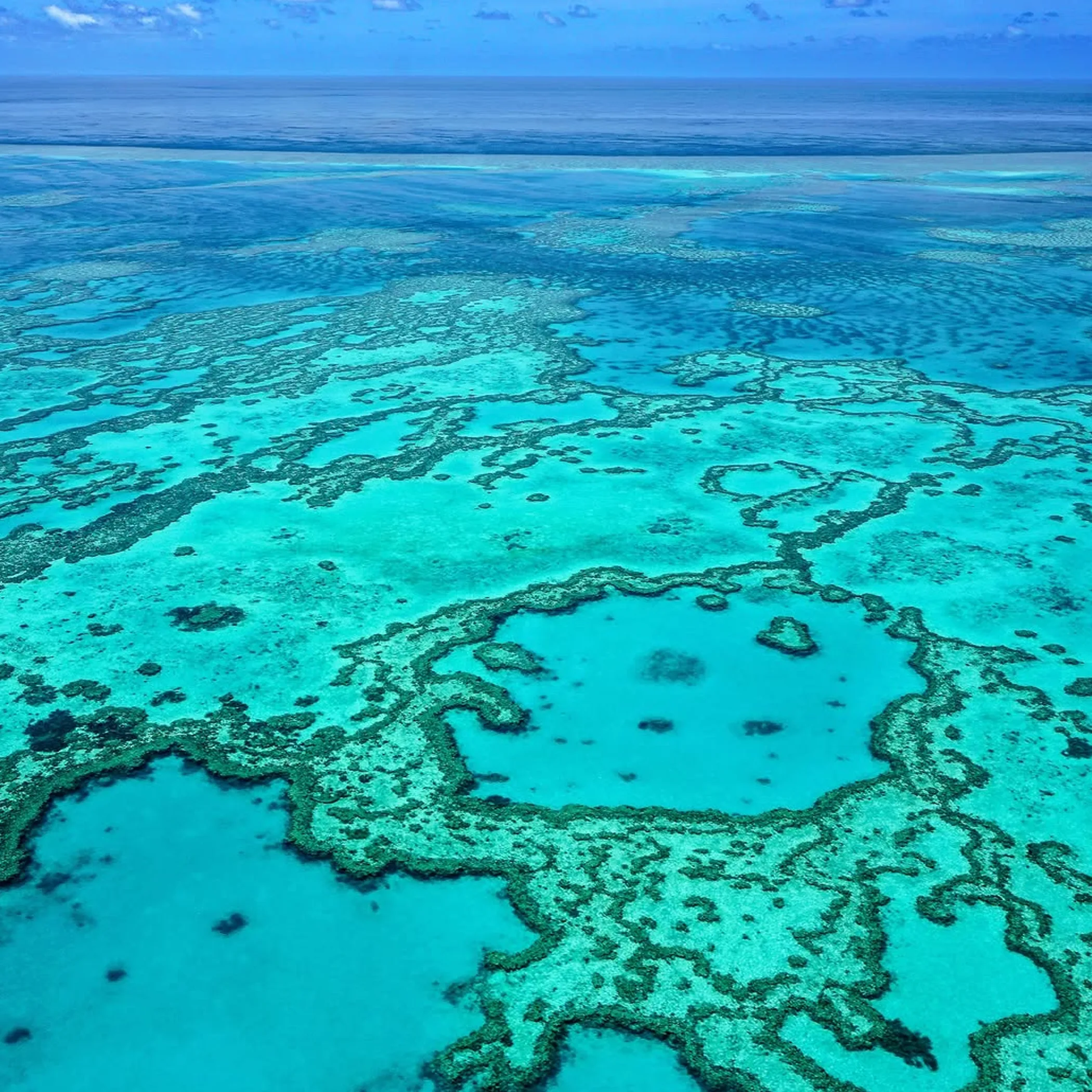
A first-timer would do well to note that the Great Barrier Reef season has more of an edge to it than is apparent. In one month the air is clean and boat days are to be relied on, with crisp mornings; in another you are dealing with a film of sunscreen and sweat, dramatic clouds and bath-warm water.
In the warmer months around Cairns I have found the heat is not the surprise. It is the way a day that looks perfectly fine can become murky or stormy, or just wear you out if you have made too much of it.
June To October
The dry season is the obvious choice for those making their first foray to the reef. Humidity and rainfall are down and you have the makings of a good diving day, even if the trade winds put in an appearance in the winter. It is the sort of window where you need not overthink it. But domestic and international travellers are in evidence and island stays or day tours will be snapped up. A typical outer-reef excursion from Cairns is in the order of AUD 220–350 for an adult, more so for the premium operators and liveaboards.
November To March
Opinion is divided on the green season. True, the water is warmer and you may find fewer people away from the holidays, but in tropical Queensland this is stinger season and the risk is at its highest in the warmer months. Some will tell you the reef is shut for summer, which is rarely the case. Provided the conditions are right, a tour will run and be an excellent one. The price is unpredictability in the form of monsoon activity and humidity; heed the operator and the marine park alerts.
April, May And Early November
Shoulder time can be very nice for a combination of good weather and warm water without the crowds. Accommodation prices may be a little softer than in the height of winter in the Whitsundays or Cairns, though do not count on it. My advice if you have a single day to put in on the reef is to take a pontoon or a proper snorkel/dive boat from Cairns to the outer reef rather than fill your itinerary with mainland stops. It is less faff and more reef.
Western Australia
You get wonderfully particular with your planning here. At Ningaloo it is as much about whale sharks and manta rays, humpbacks and the road distance as it is the weather. One has to consider whether one can stand a long drive without going feral by the third servo.
As Robert Crowe would put it, preparation is rewarded in WA. The sun has teeth and the distances are no joke. “I’ll just pop up to Exmouth” is an innocent enough thing to say until you are in the middle of a long haul with a boot full of water jerries and a packet of melted snakes.
Exmouth, March To July
Ask anyone the best time for Ningaloo and they will point to these months. The coral spawning and plankton draw in the annual aggregation of whale sharks from about March to July.
There is a good reason for the hype. Ningaloo is among the select few destinations that make it possible for any traveller to have a proper wildlife encounter and put in some time on a shore-fringing reef. The Exmouth whale shark tours are not inexpensive, however; for a full day with a licensed operator an adult will be looking at AUD 450–600 or thereabouts, more so when it is peak time.
August To October
Do not discount the Ningaloo Reef if the whale sharks have made way. Provided the weather is co-operative, this is still a fine place for a holiday of a calmer disposition, as well as for humpback whales and snorkelling in season. The water is pleasant enough and one could say it is a sweet spot for those wanting to avoid the more frantic pace of travel.
Mind the wind. An afternoon breeze has a way of putting paid to any notion of silky water. Self-drivers in Cape Range National Park would do well to get out early from one snorkel spot to the next and take on more water than seems necessary. Do not be under the impression the next bay is but a short walk; in the heat all distances seem to lengthen.
Kimberley And Broome
The sensible time to be in the Kimberley and Broome is the dry, from May through September. You will find the roads and touring are far more comfortable, and your sanity will thank you for it, unlike the wet season with its monsoon and cyclone risk to boot. It is not so much a matter of easy reef-hopping here as it is of coastal travel, remote cruising and making the most of the tides and marine scenery. For untroubled beginner snorkelling you are better off at Ningaloo, but the Kimberley has a dramatic scale to it and a ruggedness to show for it.
Activities By Season
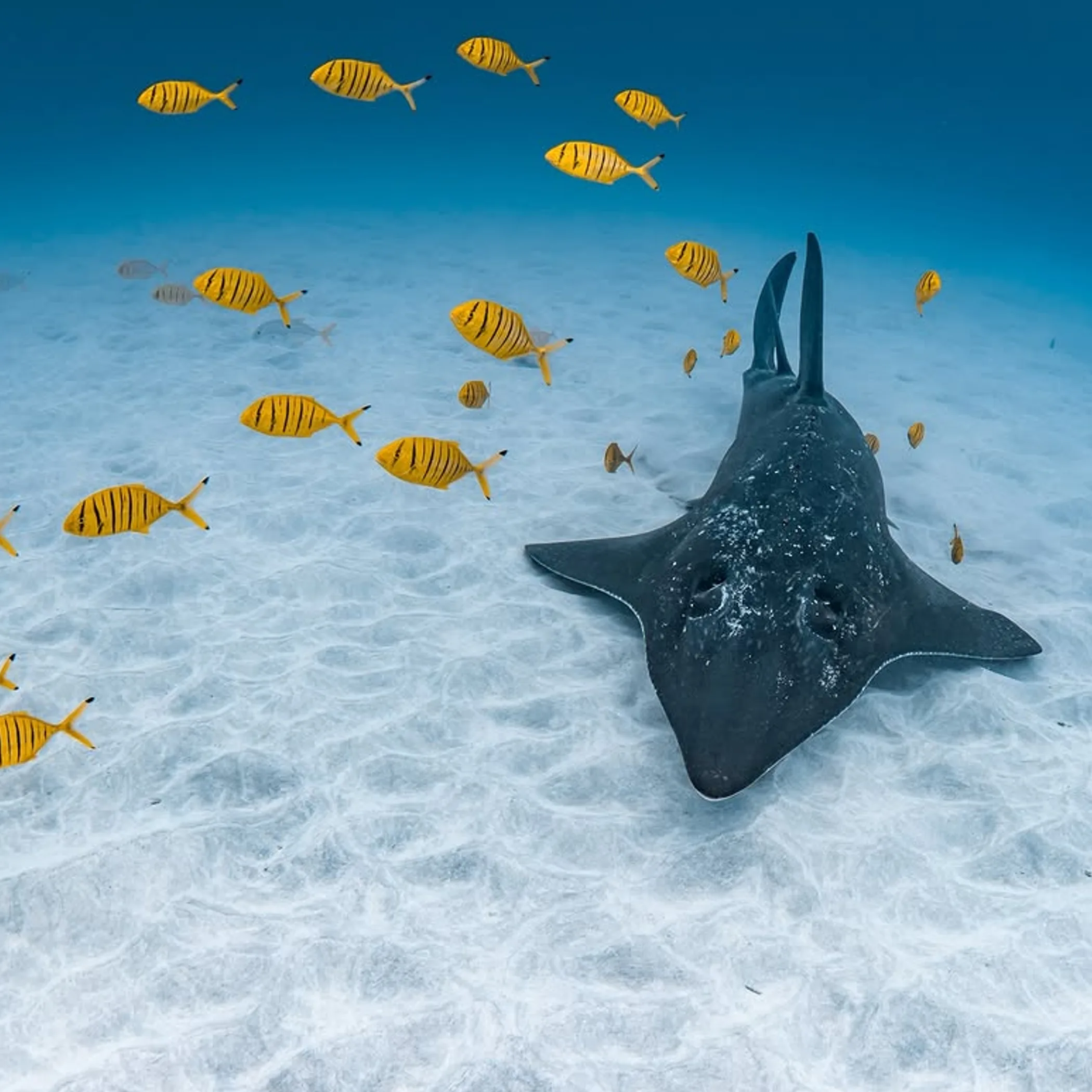
A guide to Australia’s reef seasons has its uses since no two trips are made for the same end. What suits a family with young ones requiring straightforward logistics and mild weather may not be ideal for an underwater photographer or a first-timer at the reef. Then there is the question of reality: while “year-round reef” is a fair description in some quarters, the difference between a hot, stormy day with half the boat wishing they had not eaten and one of calm water and good visibility is considerable.
Diving And Snorkelling
On the Great Barrier Reef you will find divers of a certain ilk opt for June to October for the reliability of it, leaving the warmer months to snorkellers who have no love for cold water and are happy to take stinger precautions. Drier, settled times tend to give better visibility unless localised rain or wind have other ideas.
At Ningaloo the advantage is that you need not be on a boat every day to do some first rate shore snorkelling. Turquoise Bay is the usual recommendation but the currents can be something of a surprise to the novice. Not for the weak of stroke, particularly if they are inclined to disregard tides and drift-snorkel advice.
Whales, Sharks And Spawning
From March into July the big attraction is the whale shark season at Ningaloo. Humpbacks are to be found in greater numbers as the season progresses towards spring, contingent on migration and where you are on the coast.
Coral spawning on the Great Barrier Reef is a natural occurrence, not a show put on for your edification, so put your trust in a specialist operator instead of luck. In many parts of the reef it will happen after the full moon in late spring or early summer, November being typical, but latitude and species will dictate the exact timing.
Wildlife, Weather And Risks
One is apt to read over this part and regret it later. A reef holiday is normally simple enough but the risks are in evidence: stingers, the heat, big tides and currents, and the fact that a remote coastline is no city pool with a lifeguard and refreshment stand close by. In northern Australia you must be croc-wise, around estuaries and some beaches on the mainland. There is a world of difference between an offshore excursion and a muddy creek mouth.
Stingers And Summer
In tropical reefs such as those in northern Queensland stinger season runs with the warmth of the months, say November to May. That is not to say danger is present on every beach each day, but you would be wise to heed what the locals say and don the protective suit rather than freestyle your safety because the water appears to be in order. The photo of a lovely island may have a stinger warning sign in the frame and both are true. This is nothing out of the ordinary for tour operators in the Great Barrier Reef Marine Park; they will have stinger suits to hand you in season.
Cyclones, Wind And Closures
The northern waters are at greatest risk of cyclone from November through April. One can still make a good trip of it in that window but you need to be flexible, all the more so with liveaboards or a scenic flight, or any one-day itinerary that does not allow for much leeway.
Then there are the hotter months when bushfire closures might bar your way into some of WA’s coastal national parks. Toss in strong wind warnings, road and marine park alerts and a reef excursion calls for something more than a packing cube and a positive attitude.
Planning Without Regret
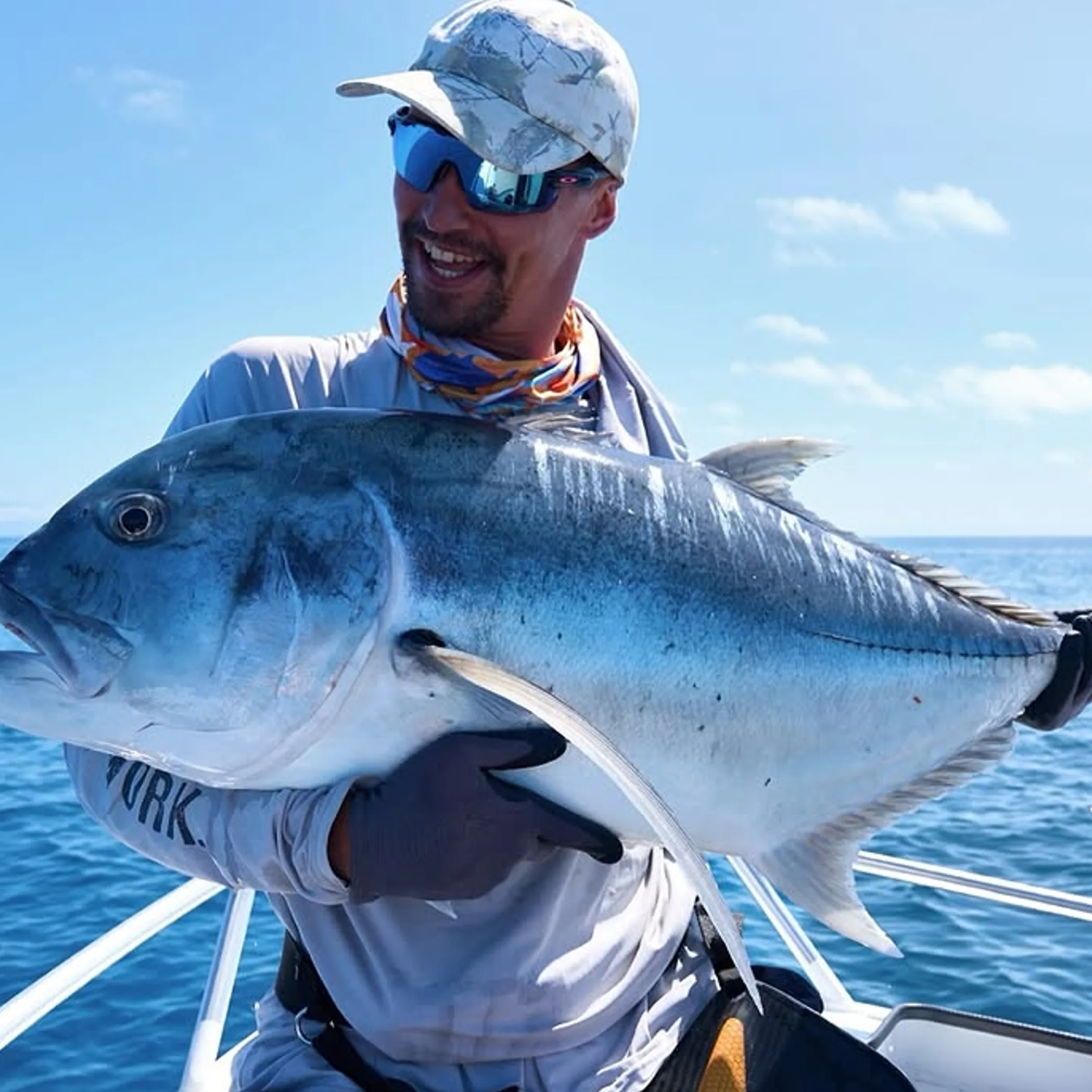
In large part a sound reef holiday is a matter of what you can put up with as far as cost, crowds, motion and heat go. People tend to under-estimate the importance of transfer times, the drive in, recovery after a long day on the road and when the tours depart; the reef is only part of the equation.
I make sure to build in some slack these days when I am putting a trip together. An extra day here and there is what separates an excellent time from having to shell out AUD 900 to put things right because the wind has made the decision for you.
Who Each Region Suits
Cairns and the Whitsundays offer an array of tour options to suit the family, first-timers and the like. Ningaloo is where the independent traveller or a competent swimmer will want to be if he is in the mood for a less packaged, more down to earth experience and does not mind forgoing some convenience. The Kimberley and northwest are for those with the patience to deal with distance and the expense of logistics and access that can be in flux. Not the place for a no-fuss, inexpensive beach holiday.
Simple Packing And Costs
- A hat, water bottle, dry bag, a pair of shoes for boat ramps and rough tracks, sun protection for the reef and either a long-sleeve rashie or the stinger suit.
- Allow AUD 220 to 350 for the run of the mill day trips on the Great Barrier Reef, 450 to 600 for whale sharks off Exmouth, and put aside considerably more for a remote cruise or if you are booking at the last minute in peak season.
For the self-driver in Western Australia fuel is a critical if unglamorous consideration. Once you are out of town phone coverage is spotty and in peak time you will find Exmouth and Cape Range day-use parking full. Get an early start and be done with it before you are too tired to think clearly. I say it plain because it is plain.
Checking Current Conditions
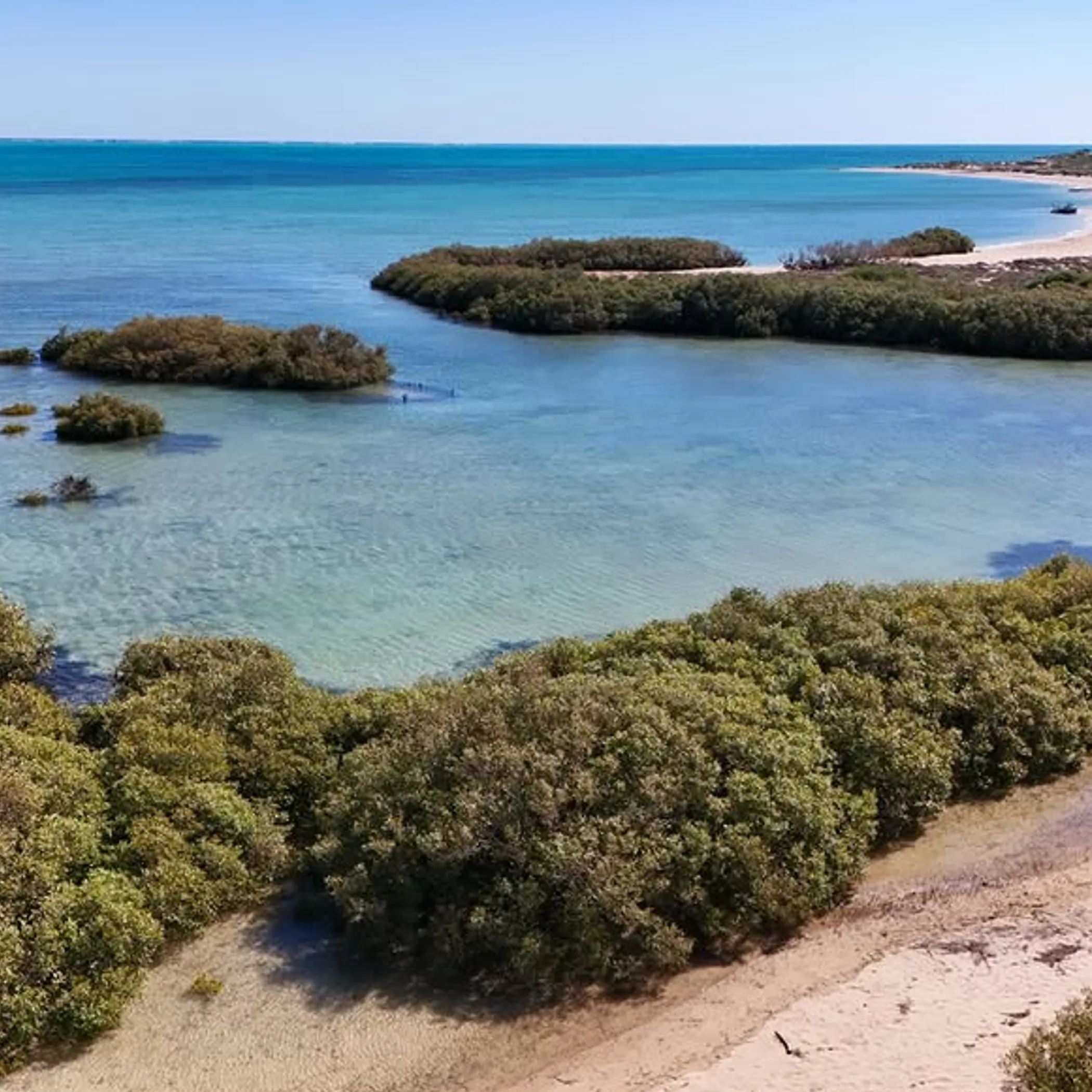
Not even this guide can vouch for what the water will be like on your particular Tuesday in April. Things have a way of changing in a hurry. You would be wise to let the seasonal trends inform your choice of region and then in the week leading up to it, and the night prior, look over the operator updates and local marine forecasts.
It is only natural to feel some uncertainty after poring over a WA reef season guide. In Western Australia a rigid plan is no match for up to date information, particularly with the Kimberley or a long drive to a national park in the mix.
What To Check Before You Go
- From the Bureau of Meteorology, wind warnings and marine forecasts.
- Any word from the operator on wildlife windows, stinger suit rules or cancellations.
- If you are on your own vehicle, local road conditions, national park notices and marine park alerts.
Official marine guidance will tell you a morning and an afternoon can be two different affairs given a shift in the sea state or local winds, so do not rely on what was in place at the time of booking.
FAQ
Travellers pitting one Australian reef season against another have a habit of asking the same questions. Understandable, a reef trip is not an error most wish to make twice.
When Is The Best Time To Visit The Great Barrier Reef?
June to October is generally the best bet for the all-round season: drier, better visibility and less humidity. The shoulder months of April, May and the start of November are fine too if you prefer warmer water and can take the odd weather change.
When Is Ningaloo Whale Shark Season?
Mostly between March and July in and around Exmouth and Coral Bay. For the wildlife encounter it is hard to beat, though you are at the mercy of nature for actual sightings.
Stinger Season On Australian Reefs
In Australia, the term stinger season is applied to the warmer months along the tropical coasts of the north; in Far North Queensland for instance, one will find it runs from November through to May. Heed any local warnings and put on a stinger suit if there is one at hand, but do not make the mistake of thinking every beach presents an equal risk.
Reef Conditions Over The Year
For the most part you will see water temperatures climb with the summer and recede in winter. Drier, settled weather tends to give better visibility, yet a good season can be spoiled in short order by wind, swell or runoff from rain, so current conditions should be checked.
The Great Barrier Reef And Coral Spawning
Most areas of the Great Barrier Reef will have their coral spawning in late spring or early summer, typically in the wake of the full moon in November, although the species and location dictate the exact time. Should you wish to be a witness to it, engage an operator who has built their schedule around those windows as opposed to leaving it to chance.
A Word To The Traveller
To put it plainly: the first time out on the Great Barrier Reef is best made between June and October. Make for Ningaloo in the March to July period when whale sharks are what you are after. A trip to the Kimberley or the rest of the Western Australian coast calls for some flexibility and due regard for tides, the elements and distance.
There is no need for bravado when travelling the reefs here, timing is what pays off. Go with the coast that suits the month, not some photograph from half a year back, and you will be none the worse for wear in terms of money or stress, or an entirely preventable sunburn. It may not sound like much, but it is sound advice.
